
FEC brief says Idaho senator used campaign funds for personal gain
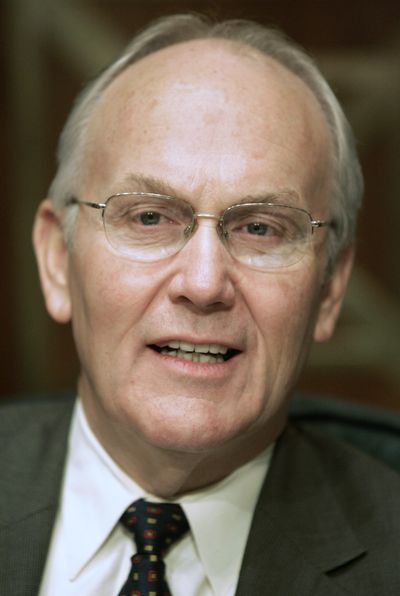
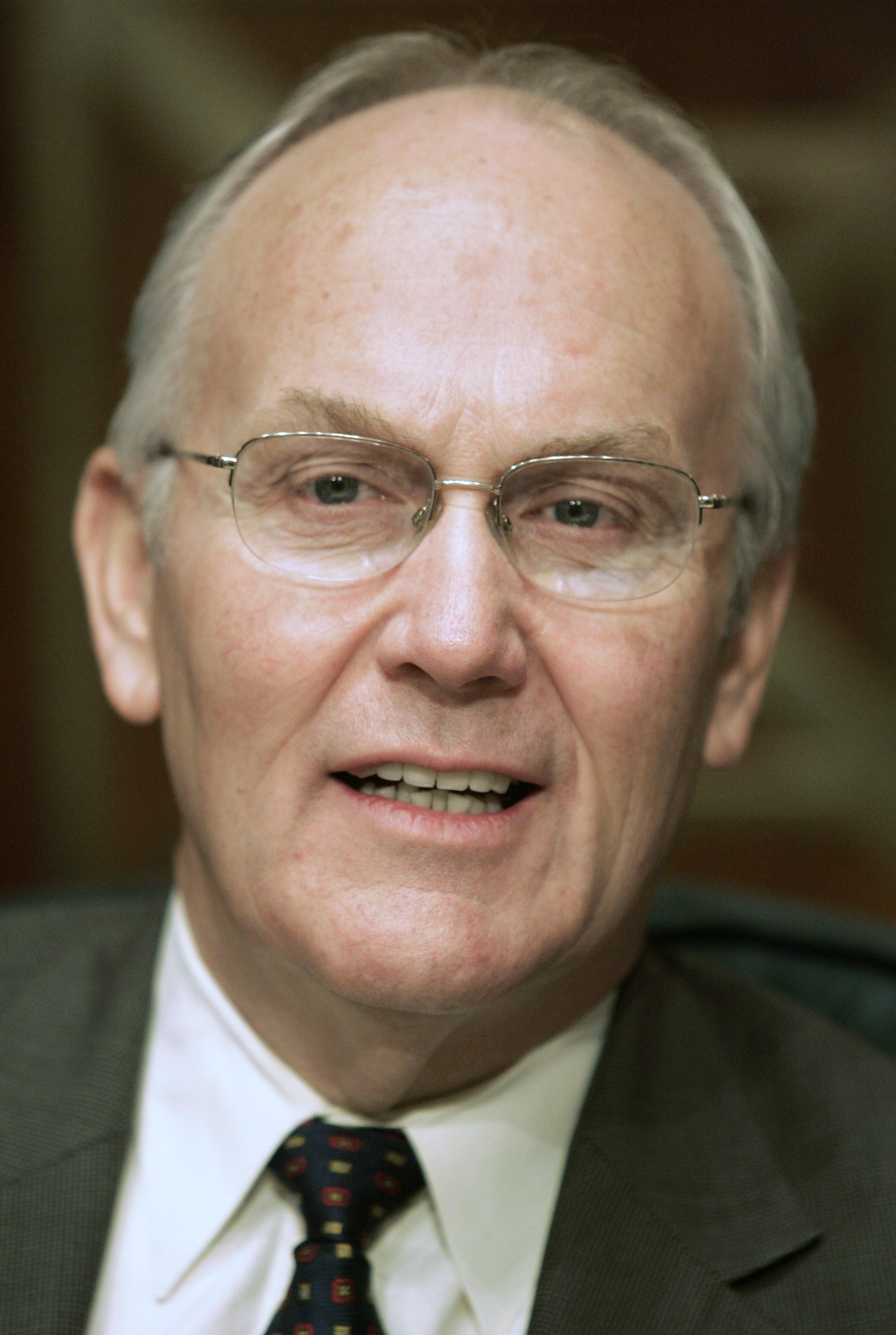
WASHINGTON – Former Idaho Republican Sen. Larry Craig “appears to have gambled that he would not be pursued for his violation” of campaign finance laws, the Federal Election Commission now says.
In a new brief that resurrects details about Craig’s 2007 arrest at Minneapolis-St. Paul International Airport, the FEC suggests Craig’s use of campaign funds to pay legal fees heeded the “famous observation that it is often easier to seek forgiveness than permission.”
“But it does not reflect much effort to comply with federal law,” FEC attorney Kevin P. Hancock wrote in the legal brief.
The brief filed Thursday counters Craig’s arguments before the U.S. Court of Appeals for the District of Columbia Circuit, often called the nation’s second-highest court. In that document filed last month, Craig challenged a trial judge’s order that he pay a $45,000 fine and repay the $197,535 in campaign funds that he used for legal fees.
“The expenditures at issue occurred in relation to Sen. Craig’s status as a senator,” Craig’s attorney, Andrew D. Herman, wrote in last month’s brief. “They did not constitute personal use.”
The dueling briefs, which might be followed by a still-unscheduled oral argument, inevitably differ on every important point, starting with the characterization of Craig’s arrest.
Herman, seeking to underscore Craig’s status as a public official, recounted how a police officer voiced disappointment in a person that people “vote for.” Hancock, in turn, colored his account with more embarrassing details.
“Craig was arrested for engaging in behavior ‘often used by persons communicating a desire to engage in sexual conduct,’ ” Hancock wrote, citing the original police complaint. “As the Minnesota state district court explained, Craig entered ‘into an occupied stall with his eyes, hand, and foot’ for the purpose of solicitation.”
First elected to the House of Representatives in 1980, the politically conservative Craig won election to the Senate in 1990. Now 69, he has been a registered lobbyist for clients including Western Pacific Timber and Murray Energy Corp. since his 2008 retirement from Congress.
Members of Congress can use campaign funds to pay for legal fees associated with their official work. The FEC argues that Craig’s unsuccessful effort to withdraw his guilty plea to a misdemeanor charge of disturbing the peace was an entirely personal matter.
“Permitting campaign funds to be spent on any legal proceeding that an officeholder subjectively believes will affect his career would completely undermine (federal law’s) personal-use restriction,” Hancock wrote.
Craig argues that his original guilty plea, and his later effort to withdraw the plea once it became public, were motivated in part by his effort to avoid political damage. Hancock, arguing for the FEC, replied that this motivation was “beside the point.”