
New Saudi king lays out succession plan
Saudi Arabia’s newly ascended King Salman buried his predecessor, King Abdullah, on Friday, then moved quickly at a time of regional turmoil to allay fears of a looming power struggle among hundreds of princes in the next generation of the House of Saud.
Salman, 79, is the next-to-last of Saudi founder Abdulaziz al Saud’s 45 sons likely to rule the kingdom. He signaled his commitment to the conservative policies of Abdullah when he endorsed his late half-brother’s designation of Abdulaziz al Saud’s last son, 69-year-old Prince Muqrin, as next in line for the Saudi throne.
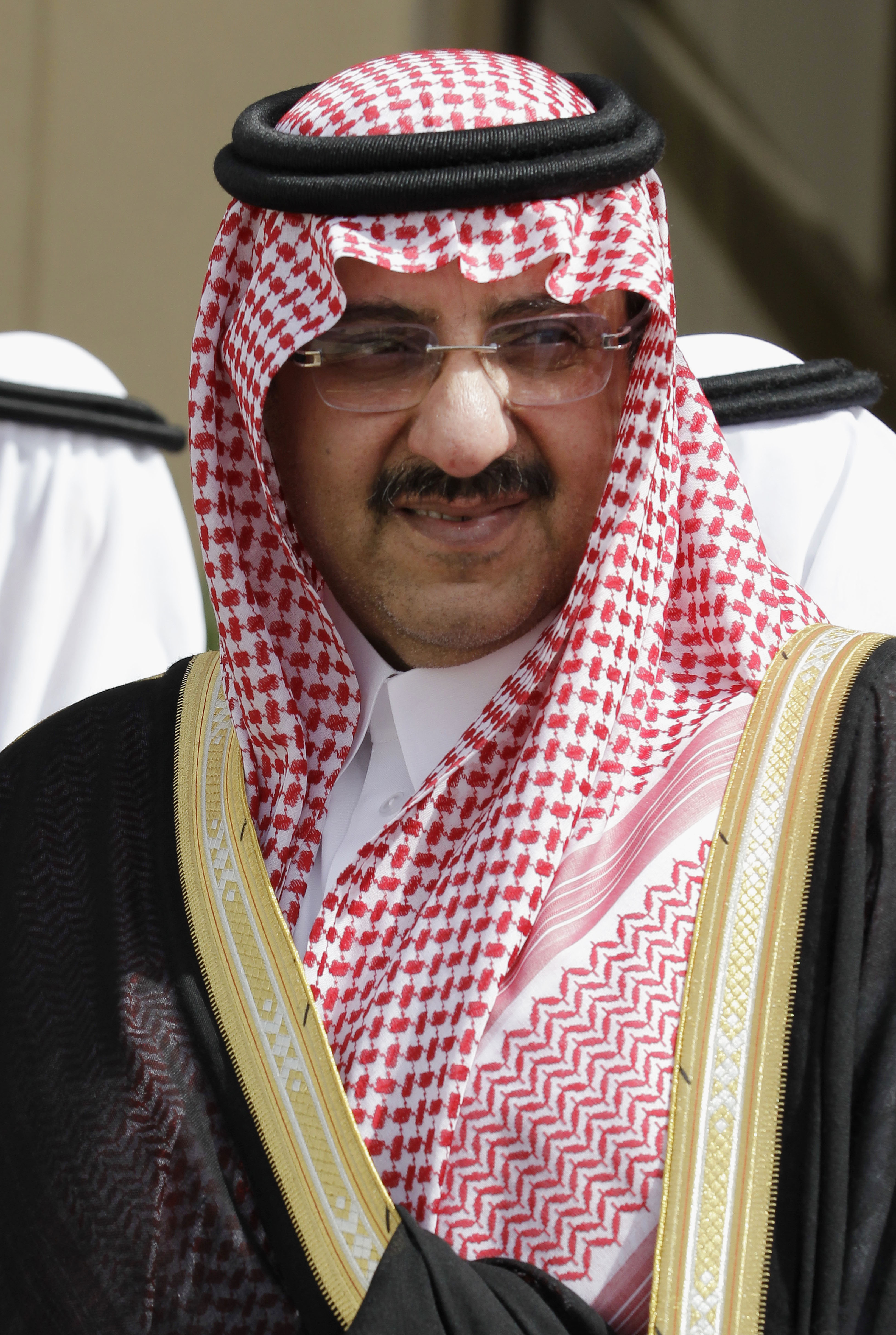
But just hours after taking the helm of the oil-rich desert kingdom, Salman issued a surprising decree naming a 55-year-old Western-educated nephew, Prince Mohammad ibn Nayef, as deputy crown prince to succeed Muqrin. That unprecedented move to chart a clear leadership path beyond the aging sons of the prolific Saudi founder, who is also known as Ibn Saud, appeared aimed at stifling any rivalry for power among the multitude of grandsons.
Mohammad has been Saudi Arabia’s interior minister since 2012 and spent years in senior administrative roles within the notorious police and security forces run by his late father, Prince Nayif ibn Abdulaziz.
But Mohammad has also been at the forefront of the kingdom’s counterterrorism efforts, including Saudi Arabia’s assistance with U.S.-led airstrikes against Islamic State militants rampaging to the north in Syria and Iraq. He is also credited with establishing the widely admired deradicalization program that reintegrates Saudi militants released from U.S.-run prisons for terrorism suspects at Guantanamo Bay, Cuba, and Bagram, Afghanistan.