

Summary
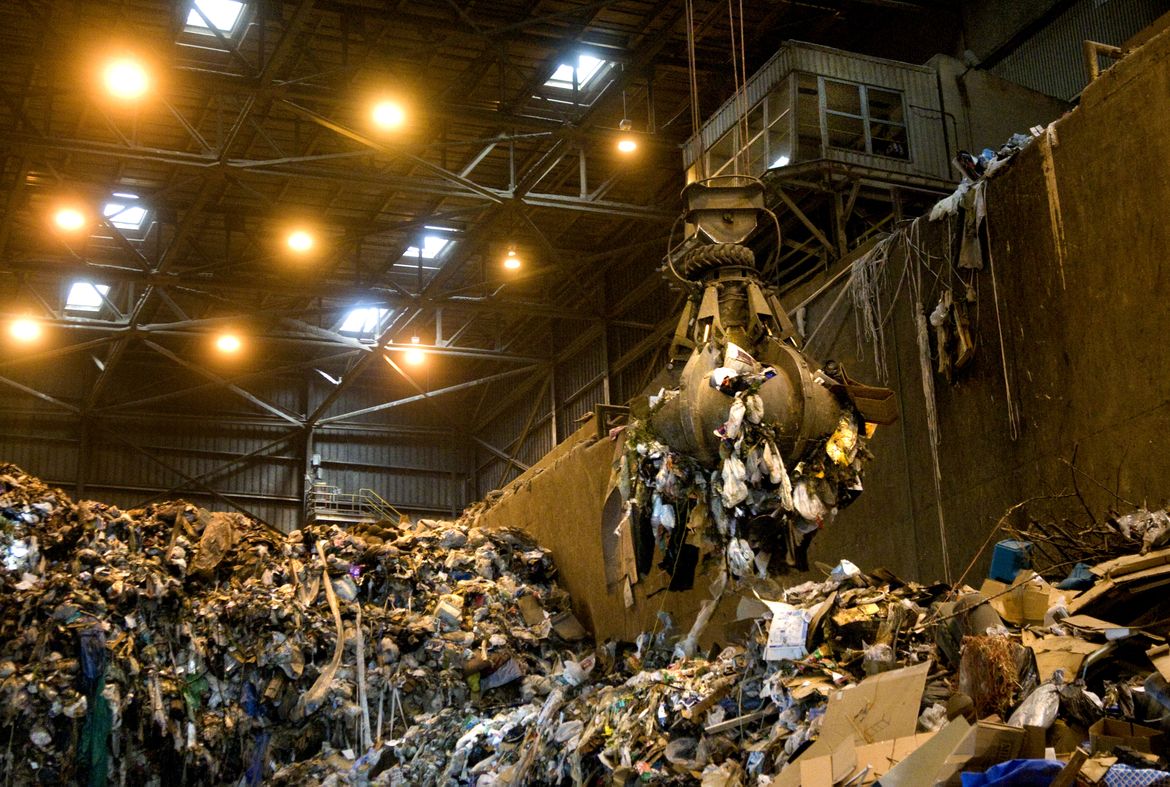
Establishing a garbage democracy in Spokane County may prove as difficult as bringing representative government to Afghanistan.
City officials had shown little interest in Spokane County commissioners’ call for transferring control of the Spokane Regional Solid Waste System to a health-district-style coalition. But on Feb. 3, 2011, a group of regional officials including Spokane Mayor Mary Verner tentatively agreed to form such a coalition.
The city would continue to own the Waste-to-Energy Plant and transfer stations in Spokane Valley and Colbert – as guaranteed by current contracts. But the new solid waste system wouldn’t be obligated to use Spokane’s facilities or services.
A host of thorny details are to be worked out by a committee, but the basic framework is a regional board with authority to contract with Spokane or any other service provider.
Contracts that created the Spokane Regional Solid Waste System call for the city to retain ownership of the Waste-to-Energy Plant even though county ratepayers helped pay for it.
Wheelabrator Spokane’s contract to operate the plant expires Nov. 16, 2011. It says Wheelabrator may take over another company’s winning bid – leaving other companies little incentive to bid.
The chance of three-year extension of Wheelabrator Spokane’s contract to operate the Waste-to-Energy Plant is an open question. The proposed extension would remove contract terms that discourage other operators from bidding in the future, but would require $18 million worth of plant improvements.
Under the new regional system, every member government will have a seat on the board of directors. Voting is to be weighted in some fashion, perhaps by the amount of garbage residents contribute.
If Spokane chooses to join the system, as owners of the Waste-to-Energy Plant it could be a service vendor as well as a voting member.
More Information
Complete Coverage