
St. Helens plan ignites battle
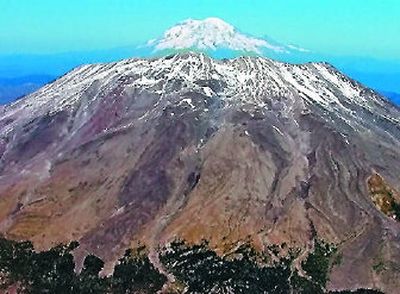
SEATTLE — In the 1980s an environmental group bought roughly 900 acres of land and mining claims at the edge of Mount St. Helens National Volcanic Monument and turned it over to the U.S. Forest Service “to preserve the integrity” of a nearby river.
Today, a Spokane-based mining company wants to explore the same land in the Gifford Pinchot National Forest for copper, gold, molybdenum and silver.
The prospect of a new mine in the volcano’s forested foothills has riled environmentalists, who are particularly irked because the land was purchased for its own protection. At the same time, the potential for new mining jobs is raising hopes in economically depressed nearby towns.
Its proximity to the national monument — within view of Ryan Lake, where two people died when the volcano erupted in 1980 — means the mining idea is getting unusual attention.
“This area is unique and special, and certainly not a place to be placing a 3,000-acre copper mine,” said Ryan Hunter, of the environmental group the Gifford Pinchot Task Force.
But Robert Russell, president of the mining company Idaho General Mines (IGM), said his company is committed to environmental protection. Unless it can do more exploratory drilling, he said, the company won’t know whether it even wants to mine the land or what such a mine might look like.
“These people are prejudging that this thing is going to be a mess,” Russell said.
Federal officials are about to decide whether to grant the company a critical lease that would let it seek permission for exploratory drilling near Mount St. Helens on 900 acres in the Green River Valley and on the southern slope of Goat Mountain. Because the 900 acres was bought by the Trust for Public Land and then turned over to the Forest Service, the mining company has to get a lease rather than make a routine claim.
If it looks as if the site could be profitable, the company could then ask for permission to mine it. IGM already has mining claims on land just to the north.
The U.S. Forest Service, which owns the land, and the Bureau of Land Management, which oversees mining, say even if they grant a lease, it doesn’t mean mining will take place.
They would still need to approve a detailed environmental analysis from the mine company, with public input, before anything happens, Russell said.
The lease “wouldn’t really give IGM any green light to conduct any exploratory activities,” said Michael Campbell, spokesman for the BLM office for Oregon and Washington.
The Trust for Public Land, which orchestrated the land deal in the 1980s, isn’t weighing in. But Peter Dykstra, director of the group’s Washington office, said a mine wouldn’t fit with the group’s goals.
“We have actually done a good deal of work all around the country buying mining claims and moving them back into public ownership, Forest Service ownership, to get them away from mining companies, and that was the original intent behind the deal here,” he said.
Meanwhile, in Packwood, Wash., the mine proposal sounds like a possible infusion of jobs to Maree Lerchen.
The decline of logging on U.S. Forest Service land and the closure of a local mill and a local Forest Service ranger station cost roughly 400 jobs since 1999, said Lerchen, a local real estate broker and vice president of the economic-development group Destination Packwood. The town’s only doctor left. In 2004, the elementary school shut down as families moved out.
“We would be absolutely thrilled to have family-wage jobs return to this valley in those kind of numbers,” she said.