
Group warns unsafe toys remain
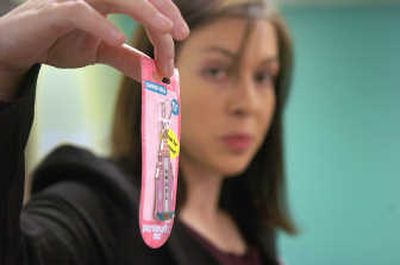
Shoppers should be mindful this Christmas that lead-based paints, along with toxic chemicals used in plastics, can be found in many toys and trinkets.
Rather than take comfort that the recall of millions of popular toys during the past several months has made the toy aisle a safe haven, consumer groups warn that independent tests continue to show dozens of playthings pose dangers to children.
“There really is no lead level in the body that can be called safe,” said Dr. Bill Greene, a pediatrician with Group Health Cooperative in Spokane, who spoke to reporters as part of an effort to remind parents to search out quality, safe toys.
The dangers of lead shouldn’t be news to residents of the Inland Northwest, Greene said.
Lead from mining and smelting in Idaho’s Silver Valley made the area a virtual case study on the dangers of lead exposure in children.
Consumer advocate Robin Engle of the Washington Public Interest Research Group (WashPIRG), noted that the U.S. Consumer Product Safety Commission is the country’s smallest safety agency, though it is mandated to ensure that goods sold to Americans are safe, whether they’re chainsaws or Barbie dolls.
WashPIRG bought toys at leading retailers, tested them for toxic chemicals, lead-based paints, noise, and choking hazards, then presented them at a private Spokane school Tuesday to underscore the organization’s point that too many dangerous toys remain on the shelves.
“Not enough is being done to protect children,” Engle said.
She said only one CPSC employee is a toy tester, and urged people to encourage Congress and state legislatures to pass tougher toy laws and boost regulatory funding.
In a press statement, acting CPSC chief Nancy Nord said more toys are being inspected by the agency, and toymakers and are doing more testing and reporting possible safety problems.
Also, she said, the Chinese government has agreed to conduct more inspections to prevent lead-painted toys and other unsafe playthings from being exported to the United States.
Among the dangers posed by some toys, according to the CSPC and consumer groups like WashPIRG:
“Choking hazards. Balloons made accessible to children younger than 3 years old, along with plastic toys found in play toolset such as oversized screws, nails, and other small toy pieces, should be a concern to parents.
“Magnets. Smaller and stronger magnets found in such things as building toys and jewelry, if swallowed, can attract each other and can tear intestinal walls or block bowels.
“Loudness. About 15 percent of children ages 6 to 17 suffer hearing loss, and some of the blame can be placed on noisy toys topping 90 decibels.
“Lead. Exposure through lead-based paints and many cheap metal toys like jewelry and zipper pulls has been found to affect children and lower their IQ scores and cause serious health problems. WashPIRG continued to find that some jewelry items marketed to young girls were made of metal containing 65 percent lead, and warned that item labeling often doesn’t accurately or honestly describe the materials used in the toy.
“Toxic chemicals. Cosmetics for children, ranging from some brands of lip gloss to nail polish, contain toluene and xylene. Also of note, said WashPIRG, are plastic toys that contain phthalates, a group of chemicals suspected of causing sexual development problems among children, including early pubescence for girls.
“Chargers and adapters. Charging batteries should be supervised by adults to guard against burns.
“Ride-on toys. Skateboards, in-line skates and riding toys can be fast and cause harmful or deadly falls. Children should wear properly sized helmets and safety gear.
“Projectile toys. Darts, air rockets and slingshots should be restricted to older children to lessen the chance of improper use and eye injuries.
Toy warnings from the consumer advocacy group span two decades. It has spearheaded actions on more than 120 worrisome products during that time.
In its coordinated press event across the country, U.S. PIRG noted that 202,300 people sought hospital treatment from a toy-related injuries in 2005. More than a third were younger than 5. Unmotorized scooters earned the most blame.
Between 1990 and 2005, about 166 children choked to death on children’s products, the consumer group said in its 22nd annual survey of toy safety. That’s about half of all children’s deaths related to toys, which account for about 10 deaths each year.
Few years, however, can match the toy recall troubles of 2007.
The popular Thomas the Train brand is coping with massive recalls of toy engines, railcars and cabooses that little boys and girls use to chuff around wooden tracks, because of lead paint concerns.
“We think Congress should ban the use of lead in children’s toys,” said Robin Engle of WashPIRG.
The toy safety issues come as both the House and Senate consider legislation that would overhaul the product safety system by substantially increasing CPSC’s budget, raising the cap on civil penalties for violations and giving the CPSC authority to provide quicker notice to the public of potentially dangerous products.
The measures also seek to ban officials at federal regulating agencies from taking trips financed by industries they oversee. Both Nord and her predecessor as chairman, Hal Stratton, accepted free trips worth thousands of dollars at industry expense.
On Monday, California Attorney General Jerry Brown sued 20 companies in state court, including Mattel Inc. and Toys “R” Us, claiming they sold toys containing “unlawful quantities of lead.” The move follows major recalls of toys, lunch boxes, children’s jewelry and other goods during the last year by CPSC.