
Web pics being used to convict defendants
Prosecutors go online to dig up dirty details
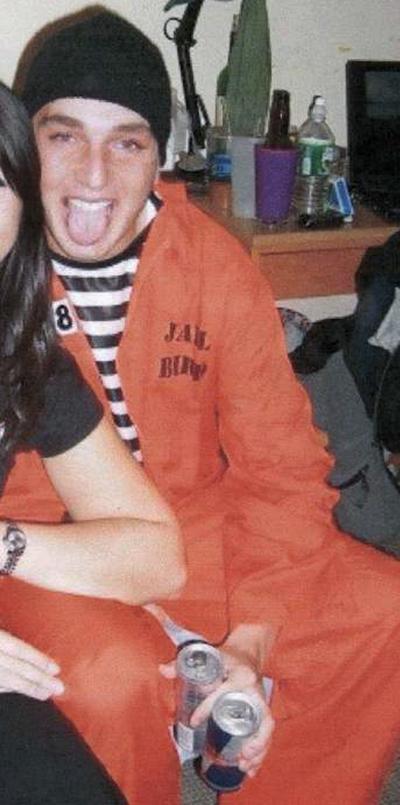

PROVIDENCE, R.I. – Two weeks after Joshua Lipton was charged in a drunken driving crash that seriously injured a woman, the 20-year-old college junior attended a Halloween party dressed as a prisoner. Pictures from the party showed him in a black-and-white striped shirt and an orange jumpsuit labeled “Jail Bird.”
In the age of the Internet, it might not be hard to guess what happened to those pictures: Someone posted them on the social networking site Facebook. And that offered remarkable evidence for Jay Sullivan, the prosecutor handling Lipton’s drunken-driving case.
Sullivan used the pictures to paint Lipton as an unrepentant partier who lived it up while his victim recovered in the hospital. A judge agreed, calling the pictures depraved when sentencing Lipton to two years in prison.
Online hangouts like Facebook and MySpace have offered crime-solving help to detectives and become a resource for employers vetting job applicants. Now the sites are proving fruitful for prosecutors, who have used damaging Internet photos of defendants to cast doubt on their character during sentencing hearings and argue for harsher punishment.
“Social networking sites are just another way that people say things or do things that come back and haunt them,” said Phil Malone, director of the cyberlaw clinic at Harvard Law School’s Berkman Center for Internet & Society. “The things that people say online or leave online are pretty permanent.”
Such photos, when shown at a hearing or a sentencing, not only embarrass defendants but also can make it harder for them to convince a judge that they’re remorseful or that their drunken behavior was an aberration. Such sites are also valuable for defense lawyers looking to dig up dirt to undercut the credibility of a prosecution witness.
Prosecutors do not appear to be scouring networking sites while preparing for every sentencing, even though telling photos of criminal defendants are sometimes available in plain sight and accessible under a person’s real name. But in cases where they’ve had reason to suspect incriminating pictures online, or have been tipped off to a particular person’s MySpace or Facebook page, the sites have yielded critical character evidence.
“It’s not possible to do it in every case,” said Darryl Perlin, a senior prosecutor in Santa Barbara County, Calif. “But certain cases, it does become relevant.”