When it comes to lunch boxes, keep it cool
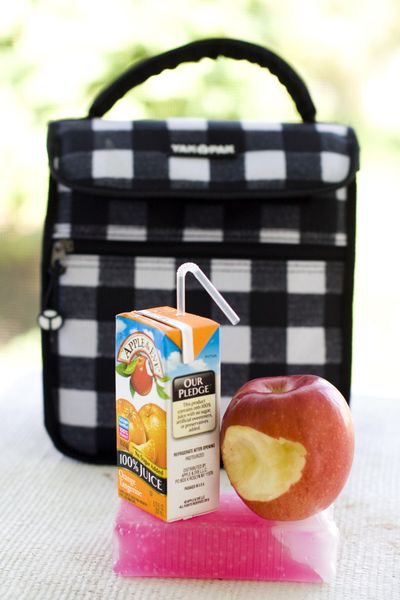

When it comes to lunch box safety, you can’t be too cool for school.
“One of the most important guidelines for keeping it safe is just keeping it cold,” says Christine Bruhn, director of the Center for Consumer Research at the University of California, Davis.
Safe lunches begin with safe shopping and home storage. In other words, perishable foods intended for lunches – such as raw or cooked meat and poultry – should be kept cold or frozen at the store and at home.
And don’t leave food out at room temperature for more than two hours, or one hour if the temperature is over 90.
When it comes to packing lunch, it’s a good idea to do it the night before. This not only gives you a bit more time during the morning rush, it also allows perishable food plenty of time to chill.
Aviva Goldfarb, author of the “The Six O’Clock Scramble” cookbook, packs lunches while making or cleaning up from dinner. She recommends doing the nonperishable items such as crackers and cookies during the weekend to make things that much easier.
If sliced lunch meats are on the menu, it’s a good idea to check the sell-by date before purchasing, and then use up the meat within about three to five days of purchase, says Bruhn.
(And, of course, you’ll be keeping the meat tightly wrapped and in the fridge in the meantime.)
But how can you be sure your lovingly prepared lunch will stay cool?
One way to go is with an insulated lunch box, a frozen gel pack and thermoses. You might also want to talk to your child about the importance of keeping the lunch somewhere shaded and cool during the day – not in the sun or next to a radiator.
If bringing gel packs to and from school isn’t practical, you can slip a frozen juice box – make sure it’s labeled as 100 percent juice, of course – into a lunch box or sack lunch. By the time lunch rolls around, the juice should be thawed enough to drink, but the food should still be cool.
To keep hot foods hot, a thermos is required. You’ll get the most out of your thermos if you fill it with boiling water and let it stand for a few minutes before emptying it and putting in the hot soup, chili, etc.
Less demanding foods include whole fruits and vegetables, hard cheese and the old standby of peanut butter and jelly sandwiches. (Though you will need to check with school officials to make sure there isn’t a ban on peanut butter due to nut allergy concerns.)
String cheese is a good traveler that’s popular with children and also is a source of calcium.
Fresh fruits such as apples or oranges are a good choice. For more tender fruit like peaches, you may be better off sending fruit that’s been canned with no added sugar.
Grapes are good, too, as are carrots and celery. Grapes travel best when packed in a rigid container.
Another sturdy snack is nuts, though again you need to check to make sure your child’s school doesn’t have a no-nuts rule.
And in a tip that has more to do with sanity than safety, don’t be afraid to enlist help.
“Packing lunches doesn’t have to always be Mom’s job,” says Goldfarb. “It goes faster if the kids or other parent or caregivers help.”