
‘High Society’ screening at the Fox shows how film is ‘the epitome’ of where Bing Crosby came from
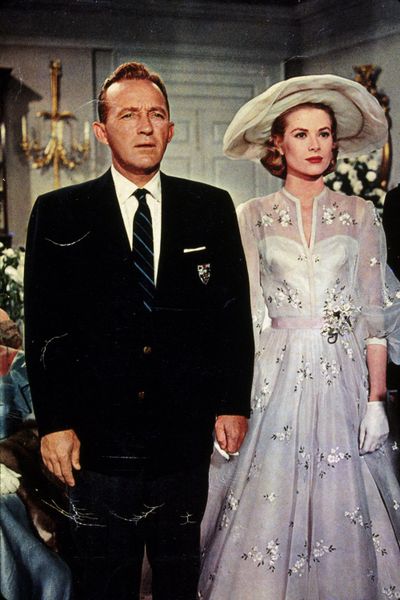
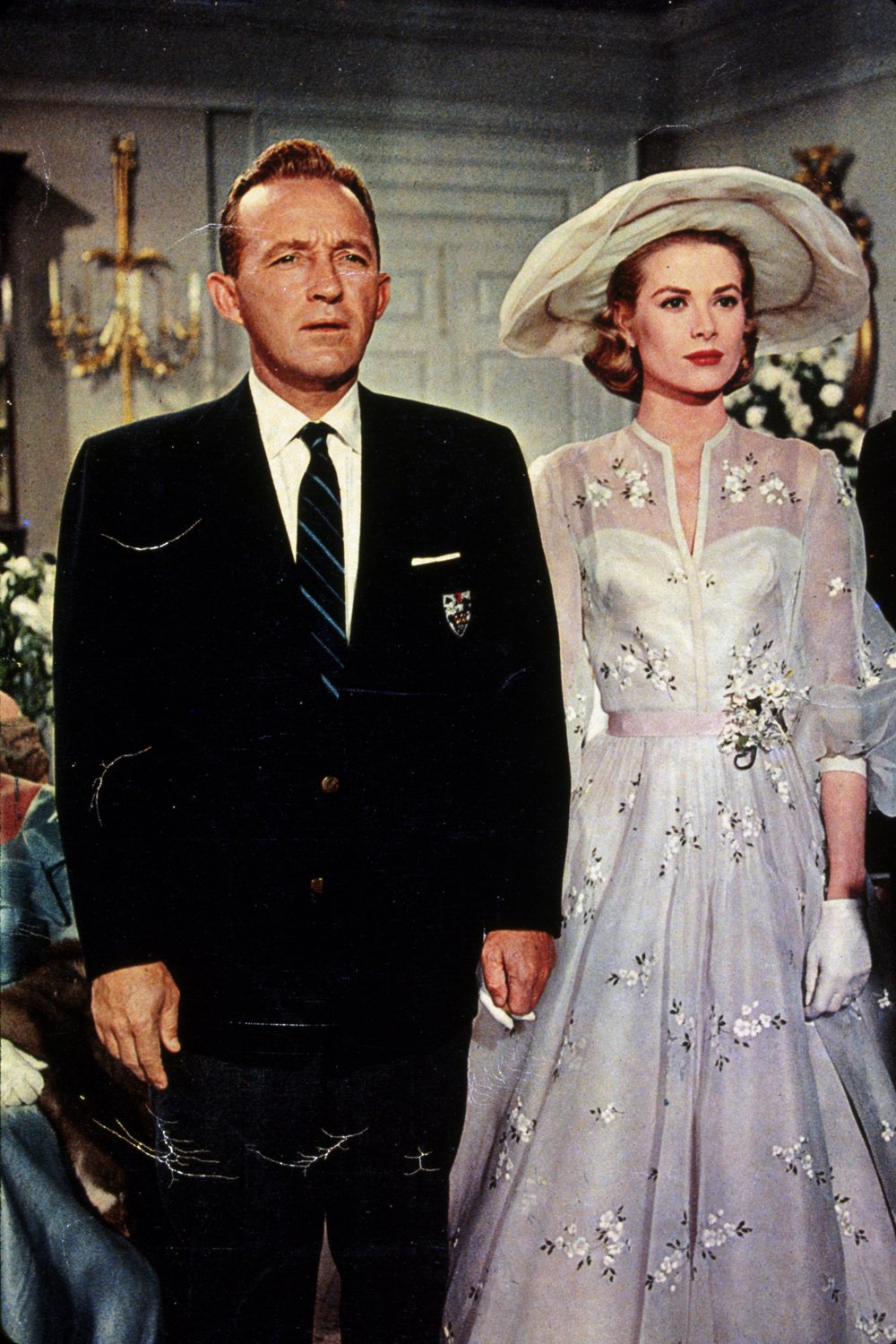
In her book “The Star Machine,” film historian Jeanine Basinger writes about the machine which turned “ordinary men and women into the gods and goddesses known as movie stars” in the 1930s, ‘40s and ‘50s.
A star, she continues, was attractive, distinct, talented, charming and, among other things, lucky, someone with a certain je ne sais quoi. That indefinable quality that made viewers fall in love with the actor on screen.
Basinger writes that fans told filmmakers they responded the most to actors who were “ ‘alive’ inside the frame,” actors who seemed to be completely at ease on screen.
The first example Basinger mentions is Bing Crosby and Frank Sinatra singing “Did Ya Evah?” in 1956’s “High Society.” The song was a lot for a performer, she writes, requiring singing, dancing, hitting their marks, delivering their lines, pretending to be a little drunk and nailing choreography that was meant to look improvised.
“These men are what stars are, doing what stars do,” she writes. “They seem as if they’re making it up right in front of you … Looking at them performing ‘Did Ya Evah?’ is a lesson in star definition: two hardworking professionals are executing a complicated musical assignment in order to look like two amateurs who’re reeling through an accidental musical romp. Fifty years later, after they’re both dead and gone, they are still alive inside the frame – still making it appear that it’s happening right in front of you, in the moment.”
“High Society,” which was released in 1956, was directed by Charles Walters and features a screenplay by John Patrick. The film is a remake of the 1940 film “The Philadelphia Story,” itself based on the 1939 Philip Barry play of the same name.
In “High Society,” Crosby plays C.K. Dexter Haven, a singer and composer whose ex-wife is a socialite named Tracy Samantha Lord (Grace Kelly). Haven is still in love with Lord, but she is engaged to the snobby George Kittredge (John Lund).
Reporter Mike Connor (Frank Sinatra) and photographer Liz Imbrie (Celeste Holm) are particularly interested in the wedding, as the tabloid they work for has embarrassing information about Lord’s father. To keep the information secret, the Lord family is allowing the pair to report on the wedding. Unenthused about the pair’s presence, Lord has a few tricks up her sleeve.
The film also features jazz trumpeter Louis Armstrong and his band as themselves and music by Cole Porter.
As part of their yearlong celebration marking the 100th anniversary of Crosby leaving Spokane for Hollywood, the Bing Crosby Advocates will host a screening of “High Society” at the Martin Woldson Theater at the Fox on Friday.
Prizes will be awarded for best vintage outfit, and each attendee is automatically entered into a drawing for prizes including Gonzaga University basketball tickets and Crosby souvenirs.
By the time Crosby appeared in “High Society,” he had established himself as the type of star Basinger described in her book. But when Crosby first left Spokane for Hollywood, even his parents were doubtful of their son’s success.
“Bing’s mother was saying ‘Don’t say goodbye. You’ll be back,’ ” said Bill Stimson, co-founder of the Bing Crosby Advocates. “Bing says that himself in his memoir.”
Crosby’s father also advised his son to finish his law degree so he would have a real job while pursuing work in the entertainment industry.
When Crosby arrived in Hollywood, he had some of that luck Basinger referred to, with jazz singer Mildred Bailey, sister of musician Al Rinker, with whom Crosby had traveled to California, already established in the city.
Stimson said Bailey introduced the pair to local clubs and within a year, they were performing with Paul Whiteman, who led the most popular band at the time.
When asked, many of Crosby’s friends were initially surprised by his success, Stimson said, before reflecting and mentioning his quick wit, his vocal chops, his sense of humor and his daring, willing-to-try-anything personality.
Director Frank Capra wrote that Crosby had an incredible memory, which helped him when it came to learning film scripts.
From his time with Whiteman, Crosby would, as the world knows, go on to become a household name, selling millions of records and appearing in classic films like “Going My Way,” for which he won an Academy Award, “Holiday Inn,” “White Christmas” and the “Road to” series alongside Bob Hope.
Celebrating the start of Crosby’s illustrious career, the Bing Crosby Advocates have spent the last year hosting events that shed more light on the performer. The group hosted a series of discussions about various aspects of Crosby’s life, spearheaded the renaming of a portion of Sprague Avenue to Bing Crosby Way, and welcomed Crosby’s grandson Phil for a jazz concert.
It is all in an effort to make more of Crosby than he currently is in Spokane.
“Until we renamed the theater, a lot of people didn’t know what his connection (to Spokane) was,” Stimson said, referring to the Bing Crosby Theater, previously known as the Clemmer and the Metropolitan Performing Arts Center.
The group’s work continues with this showing of “High Society” and the Bing Crosby Holiday Festival on Dec. 6.
Stimson said “High Society” marked a peak in the careers of Crosby and Sinatra, as well as Kelly, who would retire from acting in the same year as the film’s release to become the princess of Monaco. Armstrong was also world renowned by the time “High Society” was released.
Like Basinger wrote, the film shows the kid from Spokane, who left town with little more than natural talent, a strong work ethic and big dreams, really did become a star.
“It’s a movie that people in Spokane should see, because we have a sense of where he came from, but this is the epitome,” Stimson said.