
Reel Rundown: ‘Our Mr. Matsura,’ playing as part of SpIFF, brings viewers on ride from Japan to small central Washington town and eventually death
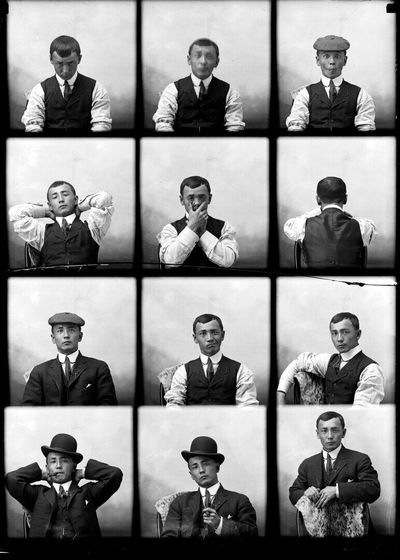
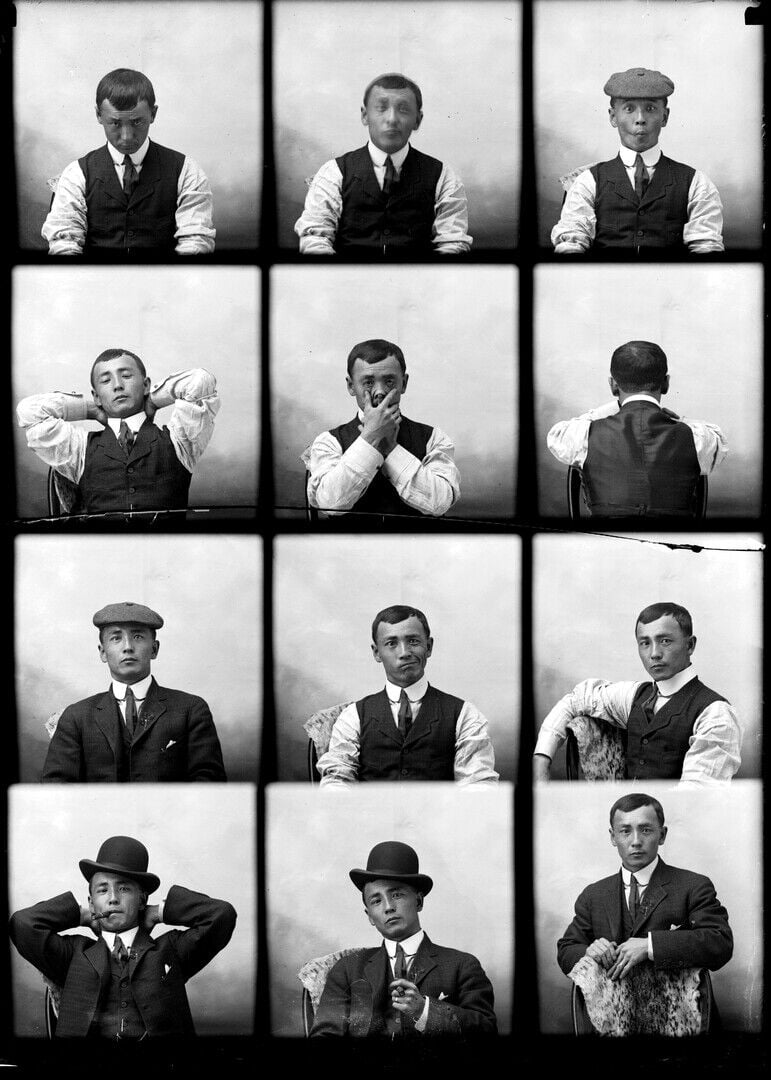
In 1903, a young Japanese man who called himself Frank Matsura came to live in the central Washington town of Conconully.
That a Japanese immigrant would come all alone to Okanogan County in the early 20th century may seem somewhat unusual. Less so is the fact that Matsura worked at the town’s hotel, doing laundry and helping in the hotel’s kitchen.
As it turns out, though, Matsura had another whole side to him, one that was far more atypical. He had come equipped with camera gear. And over the next few years, in Concunully and later in the bigger town of Okanogan, he took pictures. Thousands of them.
And in doing so, he created a legacy that has endured long after his death.
Matsura’s story is the focus of “Our Mr. Matsura,” a fascinating 96-minute documentary feature produced and directed by Beth Harrington that will screen at 1:45 p.m. Sunday as part of the Spokane International Film Festival.
Before emigrating to the United States, Matsura – born Sakae Matsura – had lived a traditional Japanese life. His father and uncle were samurai who had served Japan’s last shogun. Yet other than what he wrote in a few diary entries, much about his early life is unknown, including why he was so intent on coming to Washington – and how he first became interested in photography.
Harrington’s film takes us from Japan to central Washington, and it features a great many of Matsura’s photos along with multiple interviews with the offspring of those he portrayed. “Our Mr. Matsura” shows, too, that he first lived in Seattle and even spent a short time in Alaska before heading to Conconully.
And it didn’t take long for him to make friends among the white settlers and the native population of the area.
He did much the same when he eventually left Conconully for Okanogan, where he opened his own photography studio. Some 4,000 of his photos still exist, a number of which are housed in the Okanogan County Historical Society.
Beyond their aesthetic qualities, what makes the photos special is how they authentically depict the people who sat for him. As opposed to many of the photos of the time, which show rugged people standing in somber postures, many of Matsura’s photos have a light touch.
In addition to how well Matsura captured the Okanogan landscape, Harrington shows us photo after photo of Matsura clowning with the people he photographed. It is easy to see how he was able to blend into the community even as he was leaving them visual memories of who and what they were.
And what were they? They were ranchers and farmers, heads of families and proud members of their respective cultures – one that worked hard to make the land their own and one that watched as their native lands were slowly taken from them. All are portrayed by Matsura with respect, as they really were and not as Hollywood stereotypes.
Matsura died suddenly in 1913, having had contracted tuberculosis years before. As a measure of the affection, not to mention trust, that the community had for Matsura, an estimated 300 mourners showed up for his funeral, said to be Okanogan’s biggest up to that time.
In asking who Frank Matsura was, one of his admirers offers up a simple answer: “He was a Japanese photographer in the Okanogan that left a wonderful legacy of pictures.”
Harrington, speaking to the High County News, stressed that her film “is not just about Frank and his charisma and his incredible body of work. It’s about the way people uphold his memory and still talk about him 112 years after his death.”