These globally inspired dishes are tasty ways to cut food waste
Take a look at cuisines from around the world, and you’re guaranteed to find dishes with a particular superpower: They let you throw in whatever food you’ve got. Stews that accommodate this and that. Egg ensembles into which you can stir nearly anything. A dough or pastry that disappears meats and veggies. These flexible recipes fight food waste and save money, one half-eaten onion at a time.
They’re also delicious. And transporting. And globe-spanning inspiration for doing more with what you have, while also expanding your palate and kitchen repertoire. As it happens, the International Day of Awareness of Food Loss and Waste is coming up soon, on Monday. The United Nations-designated day draws attention to food waste’s significant role in driving climate change and squandering land, water and other resources. In the United States alone, about a third of food goes to waste; about 35% of that waste happens in homes, according to the nonprofit ReFED.
It’s a massive problem, but global culinary traditions are here to help.
“Zero-waste cooking used to be just cooking,” says Margaret Li, who co-wrote “Perfectly Good Food: A Totally Achievable Zero Waste Approach to Home Cooking” with her sister, Irene Li. “So many cultures have figured out ways to use up surpluses that have then become famous dishes from that region.”
If deploying a use-it-up approach while cooking outside your usual repertoire is daunting, Irene Li notes that salads, soups and other “recipes that have a lot of different textures and flavors, tend to be good places to do substitutions. … Like, for a pasta salad you could use a different cheese. You could use a different crunchy vegetable.”
Subbing similar ingredients will keep your results closer to the original, but if your goal is using up what you have, don’t be afraid to veer off-script. Irene Li points out that dishes that don’t come out as planned can still taste great or at least help develop your skills. In fact, that’s how many of these dishes came to be.
We can trace a lot of them to a need to work with whatever was available. Others are simply great at corralling disparate ingredients into a unified meal. Keep reading for a world tour of examples of these varied and adaptable recipes.
Pancakes
Pancakes, patties, fritters and frittatas are all handy vehicles for jamming together a bunch of ingredients and letting them sizzle into mouthwatering roundish delights. Take okonomiyaki, a Japanese pancake whose name translates to “as you like it, grilled” because that’s exactly how versatile it is. A cabbage-loaded batter carries okonomiyaki, but you can toss extras into the mixing bowl, or pile goodies atop the finished pancake, which is sometimes also called “Japanese frittata” or “Japanese pizza.” For still more flexibility, look to jeon, the family of savory Korean pancakes that can absorb kimchi, as well as fresh or frozen vegetables, seafood, meat and tofu.
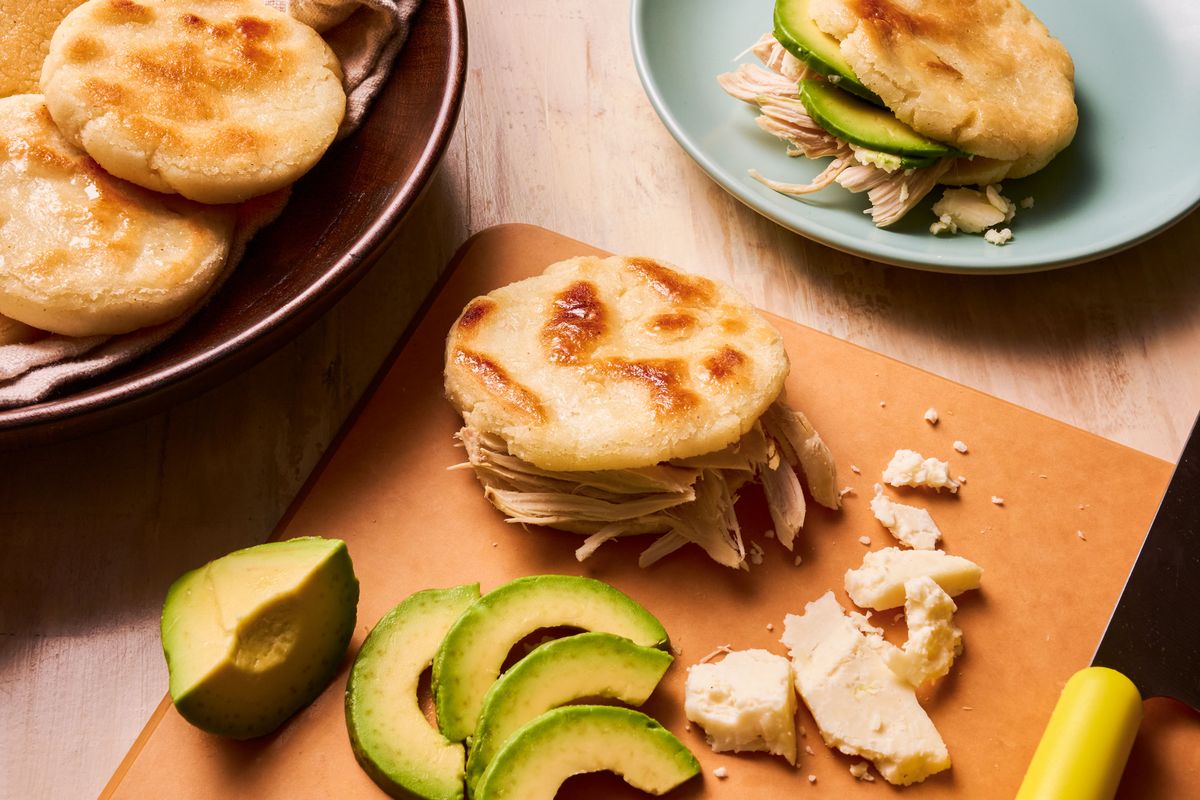
Elsewhere on the sizzle-and-flip spectrum, there’s the highly adaptable Venezuelan arepa. Made in minutes in the skillet with only precooked cornmeal, water and salt, the corn cake’s fate is to be sliced partway, then stuffed with whatever appeals. Gabriela Febres, the founder of Arepa Zone, which slings arepas across the D.C. area, says the flexibility starts with the dough. Some people mix in ingredients such as plantains, cheese and beets. When it comes to fillings, her favorite is tuna with various vegetables, cilantro and a hint of mayo. But, she says, if you start with a protein and cheese, then look to avocado or tomato, it’s hard to go wrong.
“You can make a ton of arepas and have a variety of fillings, and everyone around the table might make theirs a bit different,” she says.
Soups and stews
The Tuscan stew ribollita is so invested in working with your leftovers and extras that its name means “reboiled.” You’ll definitely need vegetables, beans and bread (stale bread is on theme, but fresh works), as well as herbs that evoke Tuscany, such as rosemary and oregano. Many recipes call for fresh herbs and hearty greens, but this is ultimately a choose-your-own-adventure soup.
If you’re staring down a mix of potatoes, carrots and other produce pulled from the earth, give them a simmer in Root Vegetable Mafé. In his cookbook, “Simply West African,” Senegalese chef Pierre Thiam describes mafé, a blend of peanut butter, tomato, onion and other ingredients, as a regional “mother sauce.” The stew has room for other vegetables and meat, too.
Of course, soup doesn’t need to be hot. Classic versions of gazpacho, Spain’s chilled soup, feature tomatoes, cucumber and bell peppers, but D.C. chef, restaurateur and humanitarian José Andrés is known to emphasize the soup’s adaptability with a simple question: “Will it gazpacho?” Whether it’s peaches, watermelon or cauliflower, a spin through a blender and thoughtful seasoning and toppings might put an overambitious farmers market haul to good use.
Margaret Li offers this tip for gazpacho improv: “It’s not just blended salsa with a splash of olive oil. … You need more olive oil than you think.”
Dumplings and hand pies
Including such dishes as pillowy Ukrainian pierogi and the crispy half-moons of Korean Goon Mandu, every corner of the world seems to have devised delicious ways to serve nearly anything wrapped in dough.
“Folding something into a little parcel, it’s like a little present,” says Irene Li, who co-founded Boston-based Mei Mei Dumplings and is working on a Chinese-style dumpling cookbook with her sister. “I feel that’s such a home-cooking tradition, making these precious little things out of not very much.”
Dough-wrapped preparations can be labor-intensive, but, Irene Li points out, there’s no shame in shortcuts such as store-bought dumpling or wonton wrappers, puff pastry or empanada dough. Even store-bought pie dough can work wonders, as in Chicken and Black Bean Hand Pies.
For a no-recipe dumpling filling, Margaret Li suggests striving for a texture “that’s scoopable and won’t leak or crumble apart.” A raw egg can rescue a filling that won’t hold together, and Irene Li also advises care with any hard or pointy ingredients that might puncture the dough. Finely chopping and cooking firm vegetables helps.
Bread and tortilla revival
To make Mexican chilaquiles, you drop stale tortilla chips or crisped tortillas into a simmering sauce, then serve with toppings such as onion, cilantro, beans, chicken, queso fresco and beyond. The name of a similar dish, migas, literally means “crumbs,” and while Tex-Mex preparations typically call for stale chips or tortillas scrambled with eggs, Spanish versions revive stale bread. (If you prefer to preserve the crunchy texture, you can also simply sprinkle the tortilla chip pieces over the top of your migas.)
Also consider panzanella, the Italian salad that reinvents stale bread with heat, olive oil and the fresh tomato juices it soaks up in the bowl. Or try fattoush, the Middle Eastern salad that does similar work with pita, and often includes spices such as sumac. Both are endlessly riffable.
Rice-based
Fried rice famously revives leftover rice, studding it with vegetables, eggs and other fridge odds and ends. But for a master class in applying what you’ve got to a traditional recipe, consider its Peruvian cousin, Arroz Chaufa. Developed by Chinese immigrants who improvised a taste of home amid rough conditions in the 19th century, arroz chaufa is now an established Peruvian dish. It’s true to the original’s soy sauce and egg, but leaves much up for grabs. Consider using quinoa instead of rice, or mixing in hot dogs.
The many spellings of kichidi (kichadi or kitchari, for starters) hint at the endless variations of this rice, legume and vegetable comfort food you’ll find across South Asia. You’ll also find many variations across your kitchen, depending on exactly which pantry staples and produce get your attention at dinner. The dish may have evolved into Egypt’s famous koshary, which includes pasta in addition to rice and lentils, and provides an oniony, sauce-drenched canvas onto which you can substitute what you have for the various categories of ingredients.
Rachael Jackson is a Washington, D.C.-based writer and the founder of EatOrToss.com.