A journey through history: 50 notable events tied to Spokane minor league baseball figures

Soon after Spokane – Spokane Falls at the time – fielded its first minor league baseball team in 1890, the little frontier town began building a reputation as a fertile feeding ground for the major leagues.
Hundreds of former Spokane players – including Hall of Famers, World Series champions, major award recipients and league leaders in various hitting, pitching and fielding categories – have made their mark in the big leagues.
With another season of major and minor league baseball upon us, let’s take a unique look back at notable events involving Spokane minor league baseball figures during their time in Spokane and/or the major leagues. We’ve laid things out for you from 1-50, with each number linked to a noteworthy item.
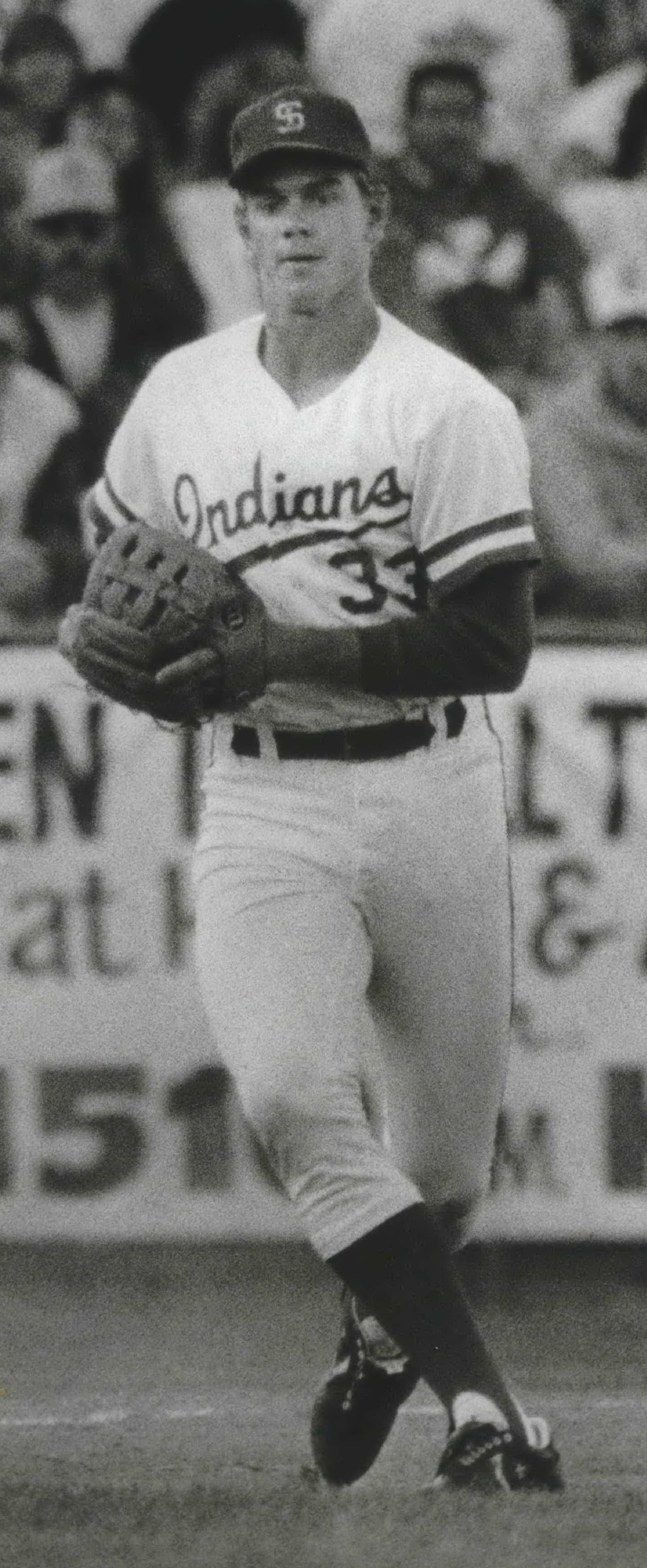
1. Third baseman Dave Staton produced the one and only Triple Crown in Northwest League history in 1989. Appearing in 70 games as a first-year pro, Staton led the NWL – a short-season Class A league at the time – with a .362 batting average, 17 home runs and 72 runs batted in. Staton’s minor league success continued for years, but in the majors, he batted .213 in 46 games spread over two partial seasons with San Diego. He did hit nine home runs.
2. Alan Foster, just 20 years old, tossed two no-hitters 16 days apart against the Seattle Angels in 1967. Both games were 1-0 victories – one of them a seven-inning contest in a doubleheader – in Triple-A Pacific Coast League action at Sicks’ Stadium in Seattle. Foster spent 10 seasons in the majors and, plagued by injuries, wound up with a 48-63 record and a 3.74 earned run average. He retired at 29.
3. Stan Coveleski pitched three complete games in eight days – each outing a five-hitter, including one shutout – to lead the Cleveland Indians (now Guardians) to the 1920 World Series championship over the Brooklyn Robins (now the Los Angeles Dodgers). The three wins in one World Series ties a record. Coveleski, listed at just 5-foot-11 and 166 pounds, gave up two runs and 15 hits in 27 innings. The 1920 season was the first in which spitballs were banned except for a few established spitballers like Coveleski.
4. Four onetime Spokane Indians, including a manager, have won Most Valuable Player awards in the major leagues. All four honors came in the National League, and all four MVPs were Dodgers: first baseman Steve Garvey (1974), shortstop Maury Wills (1962), pitcher Don Newcombe (1956) and first baseman Dolph Camilli (1941). Camilli later managed the Indians. Camilli and Newcombe were MVPs in Brooklyn before the Dodgers moved to Los Angeles in 1958. Cleveland pitcher Stan Coveleski would have been the 1920 World Series MVP, but the award was not presented until 1955.
5. Five ex-Spokane players have been inducted into the Baseball Hall of Fame: Pitchers Don Sutton, Hoyt Wilhelm and Stan Coveleski, first baseman George “Highpockets” Kelly and outfielder Carlos Beltran. In addition, former Indians managers Duke Snider and Tommy Lasorda were enshrined as a player and manager, respectively.
6. Outfielder Ken Williams hit over .300 in each of his first six full seasons in the big leagues (1920-25). All six years were spent with the oft-hapless St. Louis Browns (now the Baltimore Orioles). Williams’ 155 RBIs in 1922 and his .357 batting average in 1923 remain tops among ex-Indians.
7. Former Indians have won seven major league batting titles, all in the National League from 1962-83. Bill Madlock claimed four titles (1975, 1976, 1981, 1983); Tommy Davis won in 1962 and 1963; and Bill Buckner was tops in 1980. All three players starred on Spokane PCL teams.
8. Swede Risberg was one of eight Chicago White Sox players banned for life from professional baseball due to their involvement with gamblers to fix the 1919 World Series. Risberg, the starting shortstop for the “Black Sox,” hit .266 in the regular season and .080 (2-for-25) in the World Series, which Cincinnati won. All eight lifetime suspensions were dropped last year.
9. Nine Spokane players died when the team bus crashed and burned on Snoqualmie Pass on June 24, 1946. The death toll remains the most in one incident in professional sports history in the United States.
10. Spokane outfielder Fred Jevne was fined a whopping $10 for punching an umpire after Jevne protested a called strike in an 1890 game in Spokane. Fans quickly passed the hat to cover Jevne’s fine – which was handed out by the umpire, not uncommon back then – and Jevne played the next day after apologizing to the ump. Geesh ….
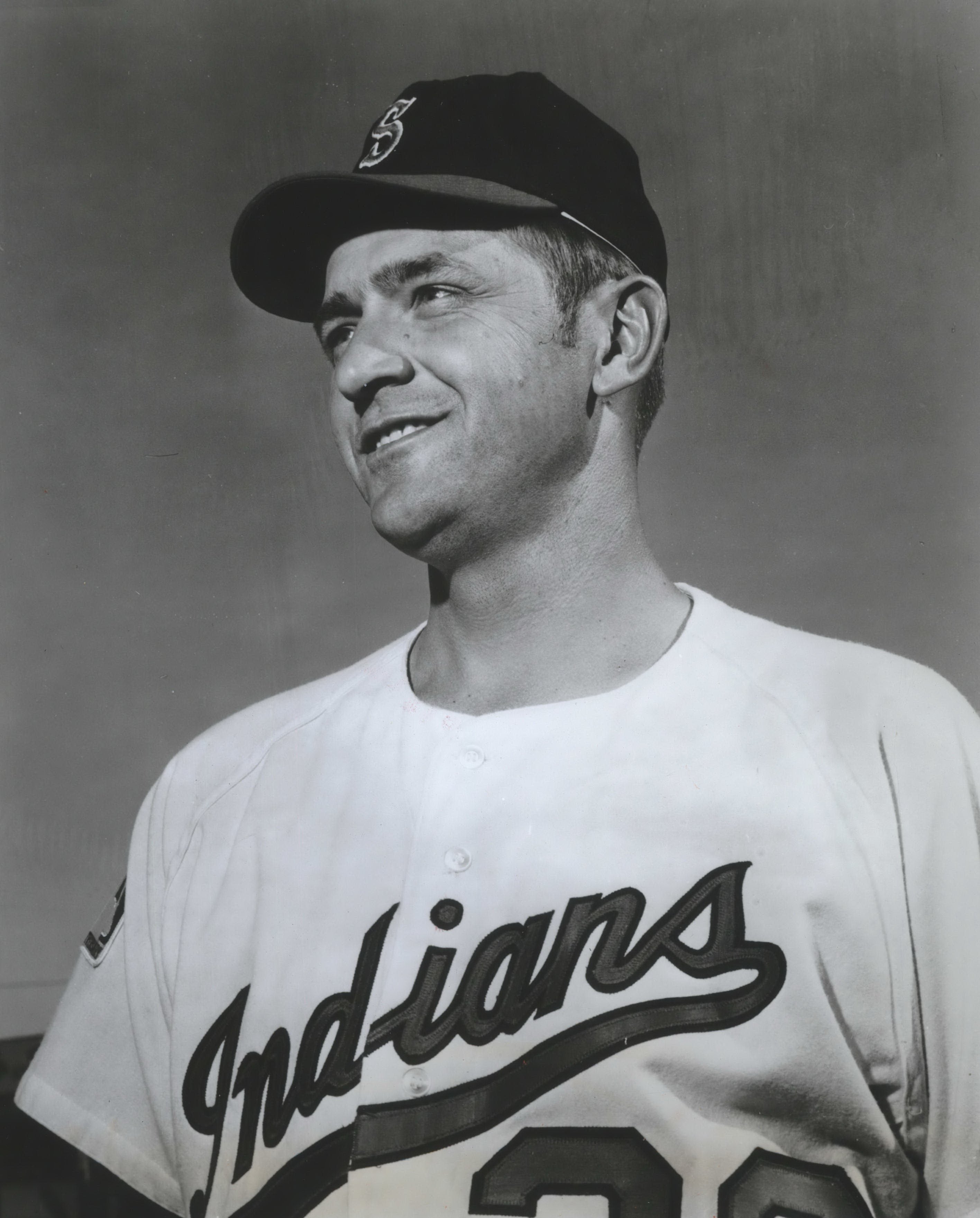
11. Jack Spring, a standout pitcher for Lewis and Clark High School, Washington State College (now University) and the Indians, posted an 11-2 record during the first four seasons of the Los Angeles Angels franchise (1961-64). Spring went 1-3 in limited action during his other seven seasons in the majors. The crafty southpaw turned pro in Spokane in 1952 and finished his career with the Indians in 1969. Spring later served as the baseball coach at West Valley High.
12. Jim Barbieri, one of the few individuals to play in a World Series and a Little League World Series, was 12 years old when his Schenectady, N.Y., team won the 1954 LLWS. Barbieri’s club lost in the title game the year before. A fan favorite in Spokane, Barbieri roamed the outfield for the Indians from 1963-69. His only big league action came in 1966, when he hit .280 in 39 games with the Dodgers. He struck out in his only World Series appearance as Baltimore swept Los Angeles.
13. Bob O’Brien was just 21 years old when he went 13-3 with the PCL Indians in 1970. The little left-hander made it to the majors the following season, then retired at 25 after his career fizzled.
14. Don Sutton is tied with fellow Hall of Famer Nolan Ryan for 14th in major league history with 324 wins. That’s a record for ex-Indians. Sutton’s Spokane stint consisted of just two games in 1968, but he spent 23 years in the majors before retiring in 1988.
15. Popular outfielder Levi McCormack belted a career-high 15 triples in the Western International League in 1940. The WIL was a forefather of the Northwest League. McCormack’s career was shortened due to injuries suffered in the 1946 Indians bus crash.
16. Bobby Valentine led the PCL with 16 triples in 1970, and that only hinted at the shortstop’s potential. Valentine also led the league with a .340 batting average, 211 hits, 39 doubles and 122 runs. Three years after being named the 1970 Minor League Player of the Year (despite making a league-leading 54 errors), Valentine’s visions of major league stardom ended in horrifying fashion when he suffered a severe leg fracture. He managed to play 10 years in the majors, batting .260 with nine triples.
17. Ed Bouchee, a teammate of Jack Spring with Lewis and Clark High, Washington State and the Indians, was named the Sporting News National League Rookie of the Year in 1957. That season, the Philadelphia Phillies first baseman set career highs in homers (17), batting (.293), runs batted in (76), on-base percentage (.394) and slugging percentage (.470).
18. Jesse Chavez, who turned pro with Spokane in 2003 after being drafted in the 42nd round by Texas, spent all or part of 18 seasons in the majors. Chavez, primarily a middle reliever, posted a 51-66 record with nine teams.
19. Howie Reed, pitching for the 1963 PCL Indians, won 19 games – virtually unheard of in minor league baseball today – but the pitching-rich Dodgers sent Reed back to Spokane for the fourth straight year. The Dodgers (led by Hall of Fame pitchers Sandy Koufax and Don Drysdale) finally called up Reed during the ’64 season, but Reed’s nasty curveball was offset in the majors by an underwhelming fastball. He posted a 26-29 record and a 3.72 ERA in 10 seasons in the big leagues
20. Joe Coleman, the No. 3 pick in the 1965 amateur draft, made his major league debut that September at the age of 18. He won both of his MLB games that season and his only MLB game the following year. Stunningly, all three of his appearances were complete games with the lowly Washington Senators (now the Texas Rangers). Coleman followed up with four straight losing seasons in Washington before a trade to Detroit helped the big right-hander blossom into a 20-game winner (20-9) in 1971.
21. Tommy Lasorda, who managed the legendary 1970 Indians, guided the Los Angeles Dodgers for 21 years. He won a PCL title in Spokane, four National League pennants in Los Angeles and two World Series with the Dodgers.
22. The 1960 Indians (92-61, .601) won the PCL championship with 22 past or future major leaguers. The 1970 Indians (94-52, .644) won the PCL championship with 21 past or future major leaguers. The 1960 Indians had Minor League Player of the Year Willie Davis in center field. The 1970 Indians had Minor League Player of the Year Bobby Valentine at shortstop. Both clubs had potent offenses, quality pitching and lousy defenses (re: Valentine’s 54 errors). You pick the better team. Worth considering: There were 16 major league teams in 1960 compared to 24 in 1970, so many teams in Triple-A (the highest level of the minor leagues) figured to have more talent to choose from in 1960.
23. Promising young infielder Bart Shirley seemed destined for a solid career in the big leagues when he pulled on his No. 23 Dodgers jersey for the first time as a September call-up from Spokane in 1964. A suspect bat kept Shirley in Spokane for seven seasons and 997 games, the latter mark an Indians record. Shirley played in just 75 games in the majors and hit .204.
24. Tommy Hutton, a slick-fielding first baseman and capable hitter who lacked power, spent six years in Spokane trying in vain to stick permanently with his hometown Los Angeles Dodgers. Hutton hit just 24 home runs in five seasons with Spokane before his breakthrough season with the 1971 Indians (.352 batting average, 19 home runs, 103 RBIs), only to be traded to Philadelphia in the offseason. Hutton lasted 12 years in the majors, batting .248 with 22 home runs.
25. Knuckleballer Charlie Hough pitched in the majors for 25 years, a record for ex-Indians and tied for fifth all-time. Hough wound up with 216 wins and the same number of losses, with a 3.75 ERA. Hough was 46 years old when he wrapped up his career with the Florida (now Miami) Marlins in 1994.
26. The 1970 Indians (94-52) finished an astounding 26 games ahead of the second-place Portland Beavers (68-78) in the PCL’s North Division. Spokane then swept Hawaii in four playoff games.
27. Don Newcombe led the major leagues with 27 wins for the Brooklyn Dodgers in 1956, when he claimed the National League’s Most Valuable Player and Cy Young Award (best pitcher) honors. Newcombe racked up a 27-7 record and 3.05 ERA with 18 complete games and five shutouts. The 27 wins rank first among onetime Indians in the modern era (since 1900). Newcombe, a former Negro Leagues star, pitched for Spokane near the end of his career, going 9-8 with a 4.96 ERA in 1961.
28. Earl Sheely, fresh out of North Central High, made his pro debut with Spokane in 1911 at the age of 18. He spent 10 seasons in the minors before batting .304 as a 28-year-old MLB rookie with the 1921 White Sox. Sheely hit .300 during a nine-year career in the majors, but he lacked power for a first baseman. He hit only 48 home runs, but he struck out just 205 times, including a career-low 13 times in 145 games with the 1926 White Sox. That’s one strikeout every 11 games, folks.
29. Larry Sherry struggled through his first seven years in the minor leagues, including a 6-14 season in 29 games with Spokane in 1958. That winter, older brother Norm (a catcher on the ’58 Indians) taught Larry how to throw a slider, and the younger Sherry quickly turned into a standout relief pitcher with the Dodgers. Sherry was named MVP of the 1959 World Series after going 2-0 with two saves and one run allowed in four games and 122/3 innings. Los Angeles downed the White Sox in six games.
30. First baseman Ken Harvey led the Northwest League with a sizzling .397 batting average in 1999, when he struck out just 30 times in 56 games as a first-year pro. Injuries helped limit Harvey to four years in the majors, where he hit .274 with 200 strikeouts in 271 games with Kansas City.
31. Center fielder Willie Davis, wildly inconsistent as a hitter early in his major league career, holds the all-time Dodgers franchise record – going back to the Brooklyn days – for consecutive games with a base hit (31 in 1969). Davis batted a career-high .311 that year.
32. Ian Kinsler, who hit just one home run as a rookie pro with Spokane in 2003, slammed a career-best 32 homers for Texas in 2011. Kinsler was a four-time All-Star second baseman in the American League.
33. Outfielder Bob Meusel, often overlooked on powerhouse Yankees teams led by Hall of Famers Babe Ruth and Lou Gehrig, led the AL with 33 home runs in 1925. Ruth missed much of the season with a mysterious illness, and New York finished seventh (next to last) in the AL with a 69-85-2 record. The Yankees did not have another losing season until 1965.
34. Bob Kinnaman posted an impressive 34-13 record in three seasons with the WIL Indians. The former Washington State pitcher went 22-8 in 1941, then served in World War II. He resumed his baseball career in 1946 and had a 6-4 record when he died in the tragic Indians bus crash.
35. Bill Buckner led the National League with 35 doubles in 1981, but that wasn’t much to brag about for an accomplished hitter like Buckner. Not only did Buckner record one of the lowest league-leading doubles marks in major league history, but it was barely half of the record 67 piled up by Earl Webb for the 1931 Boston Red Sox.
36. Tony Mullane recorded five consecutive 30-win seasons, topped by 36 with the 1884 Toledo (Ohio) Blue Stockings. Mullane’s remarkable run took place in the American Association, a major league at the time. Mullane’s string of 30-win seasons was interrupted when he sat out the 1885 season due to a contract dispute. Also of interest: Mullane was born in Ireland; pitched without a glove; threw left-handed at times; ranks 10th all-time with 468 complete games (in 504 starts); ranks 29th with 284 wins; and he often played in the field when not pitching. Why isn’t Mullane in the Hall of Fame? Well, during most of Mullane’s career, pitchers threw from various distances closer to the plate than the long-standing distance of 60 feet, 6 inches still in use today. Mullane was 43 when he finished his pro career with Spokane in 1902. He hit .307 in 20 games and went 2-0 in three pitching appearances.
37. Spokane’s professional baseball teams have used the Indians nickname since 1903 except for a 1937-39 stretch as the Hawks. Coincidentally or not, the Hawks nickname was dropped after the 1939 club hit just 37 home runs in 144 games. Center fielder Dwight Aden led Spokane with a .340 batting average, 207 hits and 19 triples in 1939, but he did not hit a single home run. The Wenatchee Chiefs, playing in a smaller ballpark than Spokane’s Ferris Field, led the WIL with 170 homers.
38. Smead Jolley, a minor league legend with a bat in his hands, was limited to four seasons in the majors due to his lack of speed and inability to catch anything but a cold in the outfield. Jolley paced the WIL with a .373 batting average for Spokane in 1940, when he was 38 years old and seven years removed from his last gig in the bigs. While in the majors, Jolley compiled a .305 batting average, 46 homers, 44 errors and a pitiful .946 fielding average. Lord knows how many more errors Jolley would have made if he ran well enough to reach more balls.
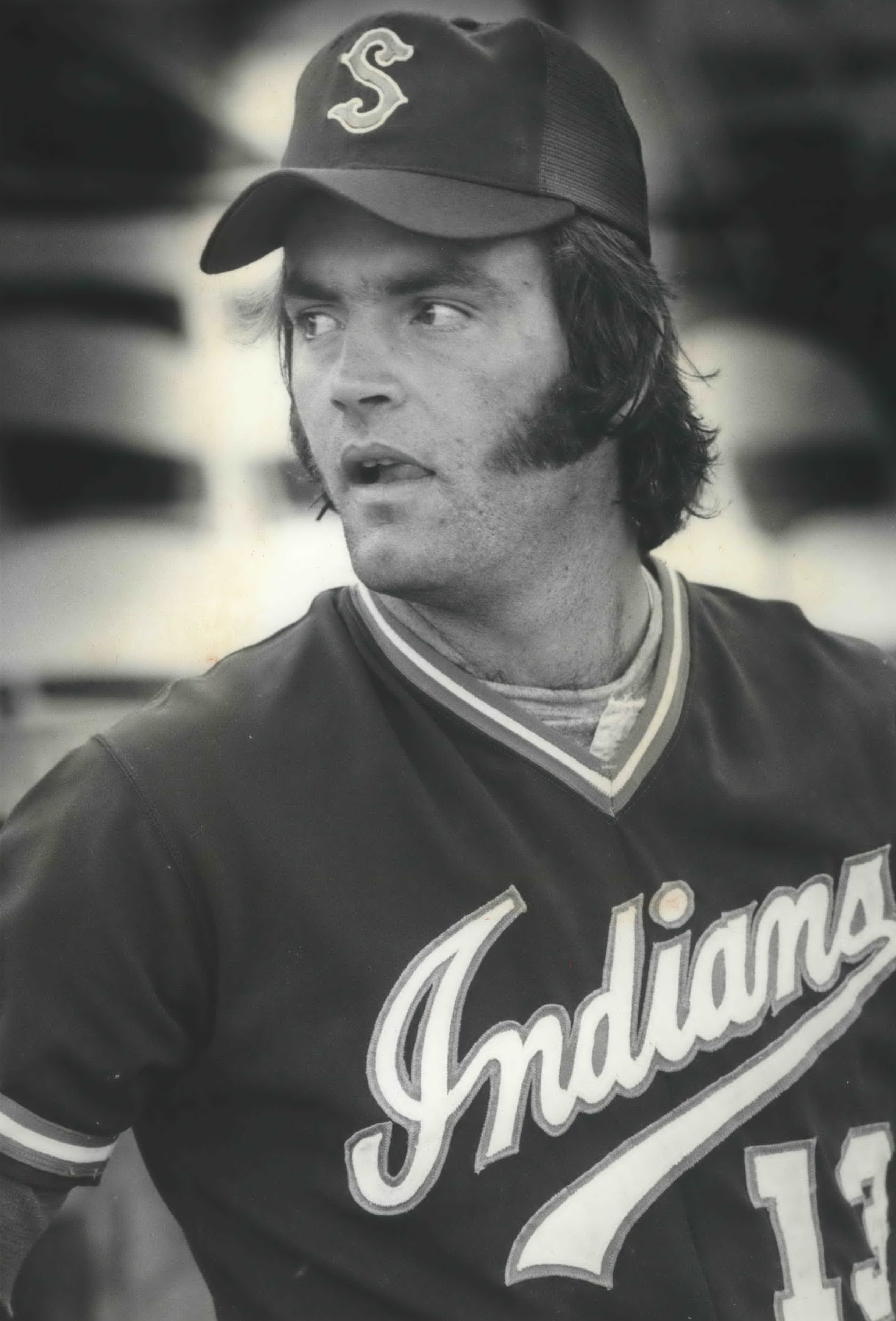
39. Outfielder Gorman Thomas led the American League with a career-high 45 homers in 1979, and he tied Hall of Famer Reggie Jackson for the AL lead with 39 homers in 1982. Thomas spent both seasons with the Milwaukee Brewers (formerly the Seattle Pilots).
40. Neftali Feliz set the major league saves record for rookies (since broken) with 40 in 2010, when he was the AL Rookie of the Year with Texas. Injuries helped derail Feliz’s career.
41. Tom Robson, who set Spokane’s single-season home runs record with 41 in 1974, made his major league debut that September with the Texas Rangers. The burly first baseman/designated hitter failed to hit a homer in 23 major league games, spread out from 1974-75 with Texas. He hit just .208.
42. Longtime Dodgers third baseman Ron Cey produced 42 hits in 45 postseason games in the majors. That includes a 7-for-20 (.350) performance in the 1981 World Series, when Cey – a former WSU Cougar – was named co-MVP after helping the Dodgers down the Yankees in six games.
43. Paul Strand smashed a career-high 43 home runs in 1923, when he set the single-season minor league record of 325 hits. Strand played in 194 games that season during a period when PCL teams often played in the vicinity of 200 games a year. Strand, who turned pro as a pitcher with Spokane in 1911, led the PCL with a .394 batting average for the 1923 Salt Lake City Bees. That earned Strand a fourth and final shot in the majors, but he soon returned to the minors after compiling a career MLB batting average of .224 with no homers in 96 games.
44. Hard-throwing left-hander Mitch “Wild Thing” Williams lived up to his nickname by uncorking 14 wild pitches in 14 games (all starts) with Spokane in 1983. After being converted into a reliever in the majors, Williams limited his wild pitches to 44 in 11 seasons and 619 games.
45. Former Brooklyn Dodgers slugger Dolph Camilli replaced ill Spokane manager Buddy Ryan in the final six weeks of the 1948 season and guided the Indians to a torrid 45-12 finish and the WIL championship. Spokane set a league record for wins (102-64).
46. Roger Craig, destined for failure while pitching for the historically awful New York Mets during the franchise’s first two seasons, lost a combined 46 games in 1962 (10-24) and 1963 (5-22). The man learned how to deal with adversity, lasting 12 years in the big leagues and winning three World Series rings. Take away his two seasons with the Mets, and Craig had a 59-52 record in the majors.
47. Baltimore’s Chris Davis led the American League with 53 homers (an ex-Indians record) in 2013 and 47 in 2015, but his career soon flamed out in stunning fashion. Davis hit under .180 each of his last three seasons (2018-20), with just 28 home runs and a whopping 348 strikeouts in 249 games. The Orioles aren’t sure what is more painful: that Davis set an MLB record by going 0-for-54 in 2018-19, or that the club still owes Davis $42 million through 2037.
48. Frank Howard, a 6-7, 255-pound outfielder, blasted a career-high 48 homers for the Washington Senators (now the Texas Rangers) in 1969. Howard came in one behind AL leader Harmon Killebrew, but Howard led the league with 44 homers in 1968 and 1970 for the Senators.
49. Knuckleball pitcher Hoyt Wilhelm was 49 years old – five days short of his 50th birthday – when the Dodgers released him in 1972 during his 21st season in the majors. Wilhelm, who was awarded a Purple Heart when he served three years in World War II, went 15-3 as a 29-year-old MLB rookie with the New York (now San Francisco) Giants in 1952.
50. Maury Wills spent eight-plus seasons in the minor leagues before the Los Angeles Dodgers promoted him from Spokane midway through the 1959 season. The speedy shortstop helped the Dodgers win the World Series that year, and Wills stole 50 bases the following season. That kicked off a six-year run of NL stolen base titles for Wills, who set the modern major league record (since broken) of 104 steals with the 1962 Dodgers.
Howie Stalwick, a former Spokane Indians beat reporter for The Spokesman-Review, retired from full-time sports writing in 2016. Occasional freelance work for the Review has pushed Stalwick’s sports writing career past the half-century mark. Howie may be contacted at howiestalwick73@gmail.com.