
Not ‘just here’ but ‘growing’: SRHD treatment services here to stay and expanding hours
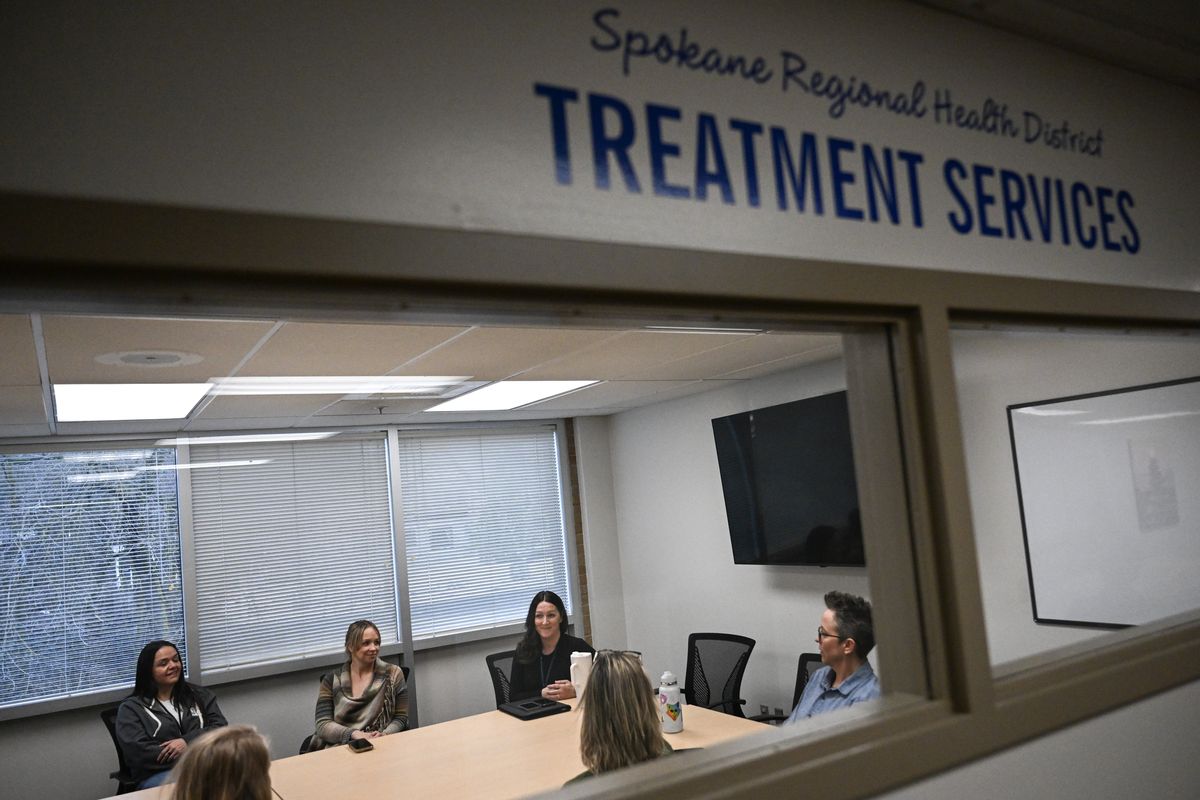
A year and a half after the public health agency opted against privatizing its addiction treatment clinic, the Spokane Regional Health District’s treatment services have expanded.
Every day, patients of all stripes step into the downtown clinic to get their medication. Most patients come to the clinic at 312 W. Eighth Avenue six days a week to get methadone – a drug that eases opioid withdrawal symptoms – on their way to work.
The busiest time for the clinic is between 5 a.m. and 7 a.m., when most patients are trying to control their withdrawal symptoms before they go to work. That may be a surprise to some members of the public who do not see opioid addicts as bringing value to the community of Spokane, said treatment services program manager Dawnya Sanders.
“A lot of people look at our clients as worth less than a person and almost like garbage human beings,” Sanders said. “We have a whole rainbow of different kinds of folks that come in here. Some come from wonderful family backgrounds and schooling and everything, and a lot of people have had a horrible shake at life. We have everybody in here, because it could be anyone that becomes addicted to opioids.”
While housing status is not tracked, it is a misconception that only those who are homeless frequent the clinic, said community relations coordinator Wendy Brizendine.
“No person’s journey here is the same. No person’s treatment plan is the same. We work with each person where they’re at to make it work and make their recovery what they need at that moment,” she said.
More than 900 patients receive treatment at the clinic and between 300 and 500 patients come in for their dose on a given day.
The clinic opened in 1990 and was operated out of SRHD’s main building on College Avenue until 2023. Treatment services then moved to a five-story building on the other side of downtown Spokane to accommodate a growing patient base and staff count.
Under the tenure of former SRHD administrator Alicia Thompson, there was a push to consider privatization of the clinic. The idea was eventually shot down following concerns among patients and some staff members.
“There was fear of the unknown when the study started, and we tried to help them understand that the reason we were even asking this question is for the benefit of them,” Sanders said. “The unknown is always scary. We were just trying to see if we can have a better facility for them, the patients. But through time we discovered that we are best here as we are.”
While the push toward privatization sparked fears the clinic could cut services, they have done the opposite in the years since. Last year the hours of operation for the clinic expanded to the end of the work day.
“The program is not only just here, it’s growing. Hours are extended. They’re making it even more accessible to the community. We’re serving the community even at a higher level now,” said treatment services director Misty Challinor.
Previously, treatment services operated from 5:15 a.m. to 2 p.m. except Fridays, when the clinic closed at 12:30 p.m. Now the clinic stays open on weekdays until 5:15 p.m., and Saturday hours were added.
While most traffic is in the morning, the extended hours allow for patients who start work early in the morning to receive their dose after their shift. The new schedule also allows greater access to the other services provided at the clinic.
“It gives us a central location easier to get services under one roof,” Challinor said.
While the methadone clinic is found in the building’s basement, other services can be found throughout the building. There are mental health services and councilors, including those dedicated specifically for pregnant patients. Patient services representatives can help sign uninsured patients up for coverage. The clinic also holds various pop-ups, which have helped patients register to vote, get their identification updated or even get cellphone coverage.