
Hampton recordings preserved
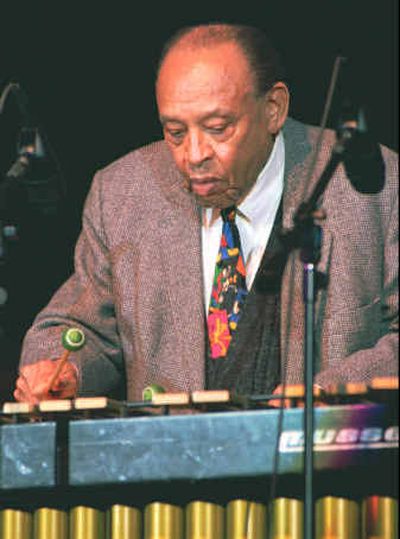
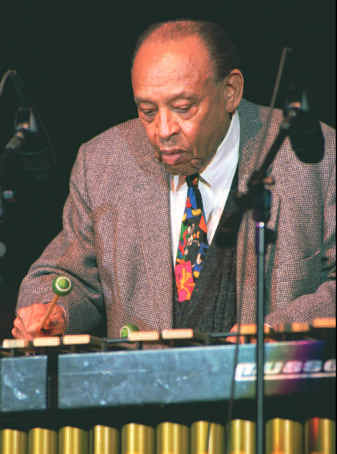
Never-released recordings of legendary jazz vibraphonist Lionel Hampton and other greats are being preserved digitally in what a University of Idaho jazz expert believes will document the transition from jazz to rock ‘n’ roll.
“They’re important because they show a transition of jazz to rock ‘n’ roll and that Lionel Hampton was part of the whole thing,” said Lewis Ricci, director of the University of Idaho’s International Jazz Collection in Moscow.
Ricci, who oversees the school’s collection of Hampton’s historical materials, announced on Tuesday that the National Endowment for the Arts had provided the $20,000 grant needed to complete the preservation of the 130 master and multitrack tapes of recording sessions in the 1960s at Glad-Hamp Records, established by Hampton and his wife, Gladys.
Hampton died in 2002, 18 years after he and his New York Big Band first played at the University of Idaho Jazz Festival. The band returned each year, sustaining a relationship that eventually landed Hampton’s name on the university’s music school.
The magnetic tapes from the Hampton estate are being processed by Safe Sound Archive in Philadelphia. The school did not immediately say how the fragile tapes are being transferred to digital. The work, which began last month and will cost $42,000, is expected to take several months. Private donors are financing the rest.
“What’s interesting and important is the time period this represents,” Ricci said. “This time period is a time when rock ‘n’ roll was sort of blossoming and coming on the scene, and really Lionel Hampton and his band were one of the precursors of rock ‘n’ roll.”
Only a small amount of the tape was digitally processed early to support the grant request. But from just that little bit, Ricci said “they do have a kind of early rock, blues kind of sound to them.”
He estimates there are as many as 700 individual recordings on the tapes, featuring not only Hampton but also trumpet players Pete Candoli and Cat Anderson, saxophonist Arnett Cobb and trombonists Benny Powell and Kai Winding.
“We have never played them because of the condition they’re in — it would have destroyed them,” Ricci said. “So there are probably many things no one has ever heard on these tapes.”
The recording business was one of the many enterprises the Hamptons established.
“It’s that kind of rock-jazz interface,” he said. “It was something Lionel and his wife were trying to make a commercial success of. A lot of people then thought of jazz as kind of noncommercial. This represented sort of a more commercial attempt at things.”
“I don’t know if they really made money on the record company or not,” Ricci said.