Grass Guzzlers
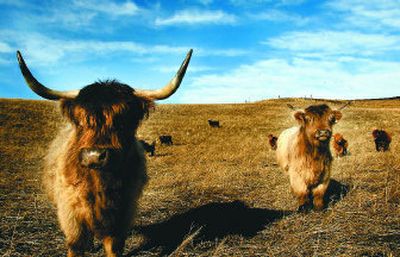
One popular image of the West is tranquil cattle grazing on vast expanses of golden green rangelands. Cue the cowboys and a sunset, and the stage is set for one of the most American of meals: beef.
The image used to be accurate. All cattle are ruminants – that is, grass eaters. Ruminants transform grass, which people can’t digest, into meat, which is very nourishing for people – and generally considered delicious.
In the last 30 to 40 years, however, the majority of beef cattle in the United States have lived the last three to four months of their lives in a feedlot, or a confined animal feeding operation. There, they are fed grain – usually corn – in order to fatten them up quickly for slaughter.
American cornfed beef has developed a worldwide reputation for being tender, because it is marbled with layers of fat. It is also relatively inexpensive, since U.S. farmers grow a surplus of cheap corn, allowing feedlots to produce a lot of beef for very little money. Generally, the beef in a typical grocery store comes from a feedlot.
But some beef lovers have concerns about the environmental effects of these facilities and about animal welfare issues related to raising thousands of cattle in a confined area. Fortunately for them, there is an old-fashioned alternative: grass-fed beef.
Some ranchers and farmers are returning to the more traditional way of raising beef cattle only on pasture, including lifelong Washington farmers and ranchers Tom and Cheryl Kammerzell of Maple K Farms near Colfax, and Joe and Nikki Eaton, of Eaton Natural Beef, near Colton, Wash.
“What’s old is new again,” said Tom Kammerzell, about the increased consumer interest in grass-fed beef.
Kammerzell lives on the farm his grandparents purchased in 1936. He’s been working with cattle since the early 1980s, and even worked on a feedlot in the Midwest for a while.
The Kammerzells decided to start raising Highland cattle about 10 years ago after seeing them at the fair. This old Scottish breed is notable for its docility as well as for its shaggy coat and long horns.
Raising natural pastured beef appeals to the Kammerzells in several ways.
“How the animals are treated is extremely important to us,” Kammerzell said. “Most of our customers are interested in how they’re fed and how they’re treated, too, which is why we invite people to come to the farm and see the animals.
“We’re also looking at sustainable farming practices and environmental responsibility, as well as maintaining locally grown food for the community. Our customer base in the Colfax, Pullman and Moscow area has grown, as it has in the Coeur d’Alene and Spokane area, which is great. It puts more dollars into the local economy rather than some oil executive’s pocket.”
Kammerzell spreads his Highlands out over 25 miles and 13 different pastures.
“We move each animal three or four times a year, depending on how dry it is. Each time the trailer comes, they know they’re going to a lusher hillside, so it’s not hard to get them loaded up,” Kammerzell said.
The animals, don’t, however, get trucked to their final destination. Instead, a mobile slaughterhouse, called an abattoir, comes to the farm.
“We have a pen built right here, specially sized so that they’re comfortable and not getting anxious,” Kammerzell said. “That’s especially important in the end product, because stress produces adrenalin, which toughens the meat.”
Joe Eaton is a fourth-generation cattleman, who lives with his wife Nikki and their three children on the family ranch in Wawawai Canyon south of Pullman. About 80 percent of their herd is Angus, and the remainder is Charolais cross.
The Eatons graze their cattle in the canyon through the winter and spring and then move them to greener pastures in Idaho for summer and fall.
The Eatons have raised their natural beef without antibiotics and hormones for many years but only recently started making that a highlight of their marketing efforts.
“Last year, we started marketing locally,” said Nikki Eaton. “A lot of people want to connect with the land through their food, and to connect with the producer of their food, and I want to be a part of that. I started shopping locally and organically a few years ago, too, and I feel good to be eating that way and supporting the community as well.”
The animals’ health and well-being plays a big part in their operation, too.
“It’s healthier for the animals to be in their natural habitat of grass, and I want the cows to have a happy life and do what they’re naturally supposed to do,” Nikki Eaton said.
Healthier cows means more health benefits for the consumer, which helps make grass-fed beef an easier sell for the Eatons and the Kammerzells, despite its higher price tag. Numerous studies demonstrate grass-fed beef’s nutritional advantages over feedlot beef. Grass-fed beef is much leaner and lower in cholesterol, closer to skinless white chicken meat. It is also measurably higher in beneficial omega-3 fatty acids, conjugated linoleic acid, beta-carotene and vitamin E, according to the June 2006 issue of Nutrition Journal. It has a better omega-3 to omega-6 ratio, and finally, cattle fed on nothing but grass and hay have absolutely no chance of contracting BSE, aka mad cow disease.
Spanish-Style Braised Beef
From www.lacensebeef.com2 1/4 pounds cubed beef
1 bottle red wine
2 tablespoons olive oil
2 ounces pancetta cut into small rectangles
1 large onion chopped into 1 inch pieces
1 large carrot, cut into 1 inch pieces
1/2 celery rib, cut into 1 inch pieces
4 cloves of garlic thinly sliced
1/4 teaspoon oregano
1/8 teaspoon fennel
1/4 teaspoon thyme
1 bay leaf
2 cloves
1 cinnamon stick (1 inch long)
1/8 teaspoon peppercorns
2 tablespoons flour
1 1/2 tablespoons red wine vinegar
2 tablespoons Pernod
2 tablespoons port
Marinate the beef in red wine overnight in the refrigerator. During the marinating process, turn the meat at least once. After marinating, drain the beef and reserve the wine. Dry the meat with a paper towel and season with salt and pepper.
Heat a Dutch oven or any other large heavy bottom pot to medium-high and add olive oil. Add the pancetta to the pot and sauté until golden. Remove pancetta from pan and set aside.
Turn the heat up to high and add your cubes of beef. Cook the meat until it is brown on all sides. Remove beef and hold with the pancetta.
Add the vegetables and the spices. Brown lightly. Pour off almost all the fat. Add the flour and allow to brown. Deglaze with the vinegar. Add the red wine from the marinade. Add the meat and the pancetta. Bring to a boil. Cover and lower the temperature.
Then allow the meat to cook very slowly for 3 to 4 hours. Check whether or not the meat is tender by inserting a paring knife into the meat. If the meat still grabs onto the knife, it needs more time. But, if the knife pulls away and leaves the meat it should be done. Remove the meat. Strain out the vegetables and hold them.
Skim the sauce of its fat and reduce to a nice sauce consistency. Add the port and the Pernod. Reduce again and balance the flavors with a bit of red wine vinegar and salt. Serve with roasted or boiled potatoes.
Yield: 4 to 6 servings
Approximate nutrition per serving: Unable to calculate.
Jackie’s Beef Bourguignon Recipe
From www.americangrassfedbeef.com5 medium onions, sliced
1/2 pound mushrooms, sliced
2 tablespoons coconut oil, olive oil, or grapeseed oil
2 pounds round steak, chuck roast or arm roast cut into cubes or bite-sized strips
1 teaspoon salt
1/4 teaspoon crushed marjoram
1/4 teaspoon crushed thyme
1/8 teaspoon pepper
1 1/2 tablespoons flour
3/4 cup beef bouillon (or 1 beef bouillon cube in 3/4 cup water)
1 1/2 cups red Burgundy wine
Loaf of French bread
Cook and stir onions and mushrooms in hot oil until onion is tender. Drain on paper towels.
Brown meat in same skillet; add more oil as necessary. Remove from heat. Sprinkle seasonings over meat. Mix flour and bouillon; pour into skillet. Heat to boiling, stirring constantly. Boil 1 minute. Stir in Burgundy.
Cover and simmer at low heat until meat is tender, 1 1/2 to 2 hours. The liquid should always just cover the meat. If necessary, add a little more bouillon and Burgundy – 1 part bouillon to 2 parts wine.
Gently stir in onions and mushrooms; cook uncovered for 15 minutes or until heated through. Serve with French bread.
Yield: 4 servings
Approximate nutrition per serving: Unable to calculate.
Tenderloin Fillet with Blue Cheese
From www.csuchico.edu/agr/grassfedbeef/recipes4 beef tenderloin steaks
1 large clove garlic, cut in half
1/2 teaspoon salt
2 teaspoons chopped fresh parsley
Topping:
2 tablespoons cream cheese, softened
4 teaspoons crumbled blue cheese
4 teaspoons plain yogurt
2 teaspoons minced onion
Dash ground white pepper (black pepper if you don’t mind the specks)
Combine topping ingredients in small bowl.
Rub both sides of beef steaks with cut sides of garlic clove. Place steaks on rack in broiler pan so surface of beef is 2 to 3 inches from heat. Broil 13 to 16 minutes for medium rare to medium doneness, turning once. Check before allotted time to make sure they are not overdone. One to two minutes before steaks are done, top evenly with topping, and broil another minute.
Season with salt; sprinkle with parsley.
Yield: 4 servings
Approximate nutrition per serving: Unable to calculate.
Pot Roast with Baby Vegetables
From www.csuchico.edu/agr/grassfedbeef/recipes3 to 5 pound top beef chuck roast, trimmed of excess fat
Seasoned salt and lemon pepper
1 onion, peeled and halved
1 carrot, whole
1 cup beef broth, low sodium
2 tablespoons Worcestershire sauce
2 garlic cloves, whole
1 rosemary sprig
2 thyme sprigs
1 pound new red potatoes
1 cup baby carrots
1 cup boiling or pearl onions
1 cup baby squash, such as pattypan and zucchini
1 cup button mushrooms, stems removed
Kosher salt
Sprinkle roast with seasoned salt and lemon pepper to taste. Place onion and carrot in the bottom of a 5 or 6 quart crockery cooker or crock pot. Lay the meat on top of the vegetables. Pour in the broth and Worcestershire sauce. Season with garlic, rosemary, and thyme. Cover and set dial to low heat. Allow to gently simmer for 5 to 6 hours. Remove the cover and add the vegetables around the roast. Sprinkle with seasoned salt and continue to cook covered on low heat for an additional 1 to 1 1/2 hours.
Yield: 8 to 12 servings
Approximate nutrition per serving: Unable to calculate.