
Environmentalists plan lawsuit over feds’ wolf finding
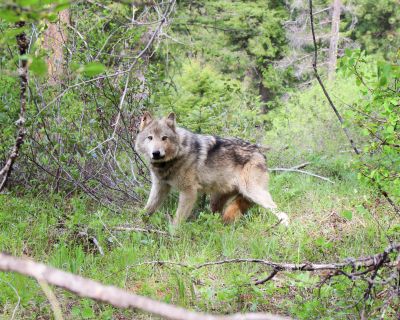
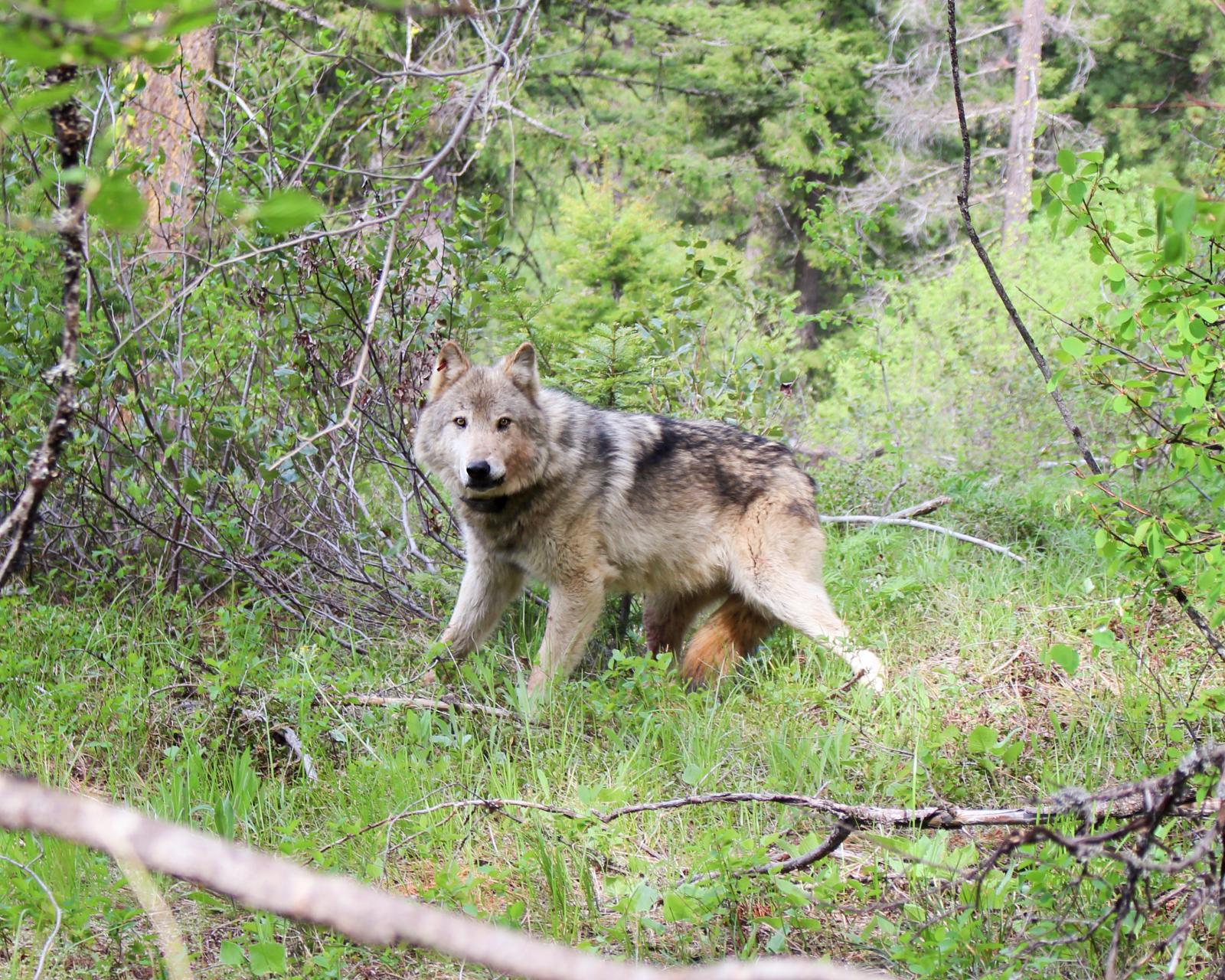
Environmentalists are renewing their fight to get the federal government to write a nationwide gray wolf recovery plan.
The Center for Biological Diversity filed this week a notice of intent to sue the U.S. Fish and Wildlife Service over its recent decision to end work on such a plan, which would describe the work needed to recover wolves in states where they are federally protected as threatened or endangered, including the western two-thirds of Washington and Oregon.
The suit would be similar to one the environmental group won two years ago, when a court ordered the Fish and Wildlife Service to write the nationwide plan.
In February 2024, under the Biden Administration, the Fish and Wildlife Service announced that it would begin writing the plan and release it by Dec. 12, 2025.
In November, the Trump Administration reversed course, releasing a finding that the plan was unnecessary because the Fish and Wildlife Service believes wolves no longer need federal protections under the Endangered Species Act.
In the notice filed this week, Collette Adkins, an attorney for the Center for Biological Diversity, argued gray wolves are far from recovered and that the Fish and Wildlife Service’s longstanding failure to write a national recovery plan violates the Endangered Species Act.
Recovery plans have been written for wolves in specific areas, such as the Northern Rockies and Great Lakes, but never for the entire Lower 48.
Gray wolves once roamed most of North America before poisoning, trapping and bounty programs led to their demise. They were wiped out in the western U.S. Populations hung on in Canada and the Great Lakes region. They received federal protections in the 1970s.
A reintroduction program returned the canines to the Greater Yellowstone Ecosystem and central Idaho in the mid-1990s. Since then, wolves have expanded into new parts of the West. They were confirmed in Eastern Washington for the first time in 2008.
Wolves in the northern Rockies – including the states of Idaho, Wyoming, Montana and parts of Utah, Oregon and Washington – were delisted by Congress in 2011.
Elsewhere in the West, wolves have remained federally endangered. In Minnesota, wolves are listed as threatened.
The first Trump Administration briefly delisted wolves in 2021, but the protections were restored after the lawsuit from the Center for Biological Diversity and other groups.
The Fish and Wildlife Service cited the 2021 delisting in its finding last month, writing that it stands by the status assessment used for that delisting that found the wolves were recovered.