
Lionel Hampton Jazz Festival shares love of the genre with musicians of all ages
Come Wednesday, the University of Idaho’s campus will be briefly overrun by thousands of elementary, middle and high school students bouncing from place to place, most with an instrument in hand.
Some will be from right here in the Inland Northwest, others will come from across the country and Canada. It is all part of the Lionel Hampton Jazz Festival, which seeks to celebrate jazz through music education.
The festival, which runs from Wednesday through April 25, launched in 1967 as the University of Idaho Jazz Festival with one guest artist and a dozen student groups. The festival was put on the map outside of the region in 1982 when Ella Fitzgerald came to Moscow, Idaho, bringing thousands of attendees, students and otherwise, to the festival.
Renowned jazz vibraphonist and bandleader Lionel Hampton came to the festival for the first time in 1984 and quickly pledged his support. It was renamed the Lionel Hampton/Chevron Festival the next year and, in 2006, it was rededicated as it is currently known, the Lionel Hampton Jazz Festival.
No matter the name, the University of Idaho staff and visiting artists strive to create an event that offers young musicians a chance to learn about and celebrate jazz music through workshops, competition and performances from jazz greats.
The festival kicks off Wednesday evening with the Hamp’s Gala, features performances from Lionel Hampton School of Music ensembles and is free to attend.
Students will spend their days attending a variety of workshops and participating in competitions for their respective instruments.
This year’s workshops range in topic from making a music video with a low budget and jazz groove foundations to the art of jazz transcription and musical and verbal communication between vocalists and instrumentalists.
In collaboration with the school’s dance department, students can also take workshops on a variety of dance styles including hip-hop, tap, swing dance and disco jazz.
“One of the things that sets us apart from other festivals is that the focus really is on education,” said Vern Sielert, the artistic director of the festival, who also teaches trumpet and is the director of jazz studies at the University of Idaho. “The workshops are hopefully of a broad appeal for everybody.”
Many of the workshops are hands-on, so students are asked to bring their instruments and participate. Many also focus on some aspect of improvising. Sielert said there is a misconception that jazz musicians simply stand onstage and play whatever they want. While that’s true to some extent, there is a lot of practice that goes into being able to do that.
“Improvising is a huge part of what we do in jazz music,” he said. “There are lots of different aspects of that that young people need to learn.”
Along with the workshops, students can also participate in solo and ensemble vocal and instrumental competitions. Sielert believes the biggest benefit of the competition aspect of the festival is that young musicians get the chance to perform in front of their peers then receive immediate feedback from an adjudicator.
That feedback could be in the form of new ways of thinking about what they’re performing or reinforcing something the school’s director was already saying but presenting the idea in a new way.
“(Vanessa Sielert, education advisor for the festival), my wife, who does the education thing, she very carefully selects the people that come and adjudicate, who are all great musicians but are also really, really, like I said before, passionate educators who are going to come and understand how to work with a big high school program from, let’s say, Spokane or the suburbs of Spokane, or Seattle or whatever,” Sielert said. “They’re also going to know how to work with a tiny band from a tiny town in rural Idaho or Eastern Washington or whatever and deliver the same positive experience for those students.”
After a day of workshops, competitions and the announcements of awards for elementary, junior and college competition, as well as the junior sweepstakes winner, the festivities move to the ICCU Arena for the first of three evening concerts.
The World Beat Ensemble, UI Jazz Band I and UI Jazz Choir I will warm up the crowd before Summer Camargo and Tito Puente Jr. take the stage.
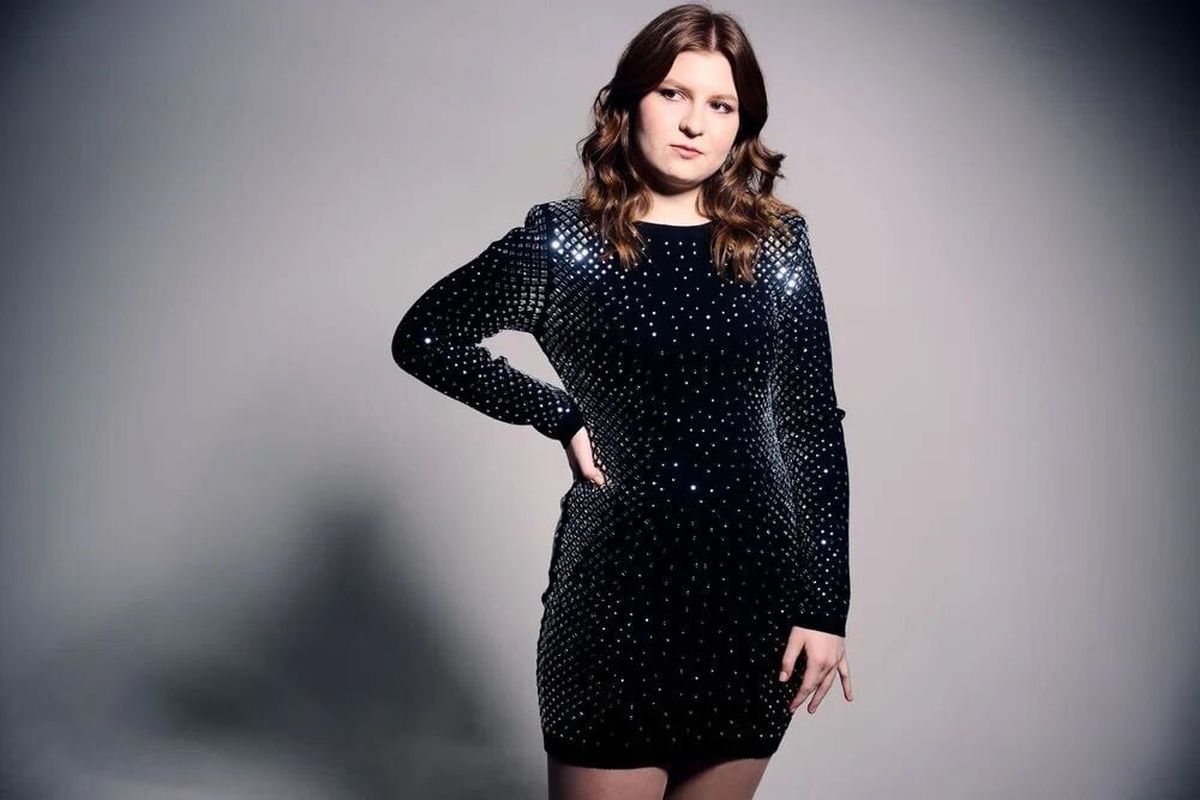
Camargo is a trumpeter, composer and bandleader who has performed with the “Saturday Night Live” band and in “Just in Time” on Broadway. A graduate of Juilliard, Camargo has performed with Jazz at Lincoln Center, Jon Batiste and the Mingus Big Band. She released her debut album, “To Whom I Love,” in 2024.
Sielert believes the students are really going to respond well to see a performer like Camargo, who is closer to their age.
“Old people standing in front of young people saying things can have lots of meaning, and it’s super important, but when the people that are standing up there and really demonstrating how, at a certain high level, they can do this stuff, and yet they’re much closer to them in age, I think sometimes that has a little more impact for them,” he said.
The son of Tito Puente, known as “El Rey de Los Timbales,” or “The King of the Timbales,” Puente is making his father proud as he blends Latin jazz, salsa, mambo and merengue in his performances.
On April 24, the festival will hold live competition finals for the senior vocal sweepstakes competition and the senior vocal Avista scholarship competition. There will also be awards announced for the senior vocal daytime competition winners, senior instrumental daytime competition winners, senior vocal sweepstakes winners and senior vocal Avista scholarship winners.
That evening, Hamp’s Jazz Ambassadors will open the show. The group is made up of college musicians from around the world, all connected because their schools, like the Lionel Hampton School of Music, are part of an affiliate program with the Grammy Museum in Los Angeles.
Vanessa Sielert reached out to other schools in the program and suggested they form a band and have them perform as part of the festival and the school’s Jazz in the Schools program, which takes them to elementary and middle schools in the region.
“They come together as a group, and they get to experience what it’s like to be main stage artists,” Vern Sielert said. “It’s usually original music. They get together, they rehearse, and it’s really been cool to see that group each year, how it coalesces, and they become really close.”
The concert also features the Palouse Jazz Project, which features Lionel Hampton School of Music faculty members, the UI Jazz Band I and the UI Chamber Jazz Choir. Jazzmeia Horn and Warren Wolf will then headline the show.
Horn is a Grammy-nominated singer who is said to be part of jazz’s new generation, performing contemporary pieces and jazz standards.
A member of the SFJAZZ Collective and Christian McBridge’s Inside Straight, Wolf plays vibraphone/marimba, drums and piano. He’s also an instructor at the Peabody Institute at Johns Hopkins University and the San Francisco Conservatory of Music. Sielert said he is on the cutting edge with the arranging and composition he does.
The final day of the festival, April 25, includes the live competition finals of the senior instrumental sweepstakes competition, the senior international scholarship competition and the senior instrumental Avista scholarship competition.
Awards for senior instrumental daytime competition winners, senior instrumental sweepstakes winners and senior instrumental Avista scholarship winners will also be announced.
That evening, Hamp’s Jazz Ambassadors will open for the Lionel Hampton Big Band, a group co-led by former Lionel Hampton band members. The group continues his legacy while also honoring musicians he collaborated with including Louis Armstrong and Benny Goodman. Sielert said the band brings down the house time and time again with their enthusiasm and energy onstage.
Something Else!, a supergroup led by alto saxophonist Vincent Herring, will also take the stage. Sielert said the group focuses on some of the more danceable music jazz musicians were performing in the early ‘60s while still improvising based on blues, jazz and swing music.
When it came to choosing this year’s headlining performers, Sielert and the festival team of course selected world class musicians who were performing, recording and known on the jazz scene.
But they also made sure to choose performers who, like the festival team, are passionate about music, education and passing their knowledge of and enthusiasm for jazz down to younger musicians.
“Musicians love to share what they know, and jazz is super important to those of us that love it and study it and play it, and those folks who make a living on it, they know how important it is to keep the tradition of the music going forward, how important it is to share with younger audiences,” Sielert said.