‘Prince of Darkness’ Ozzy Osbourne, Black Sabbath concerts worried locals, Spokane leaders
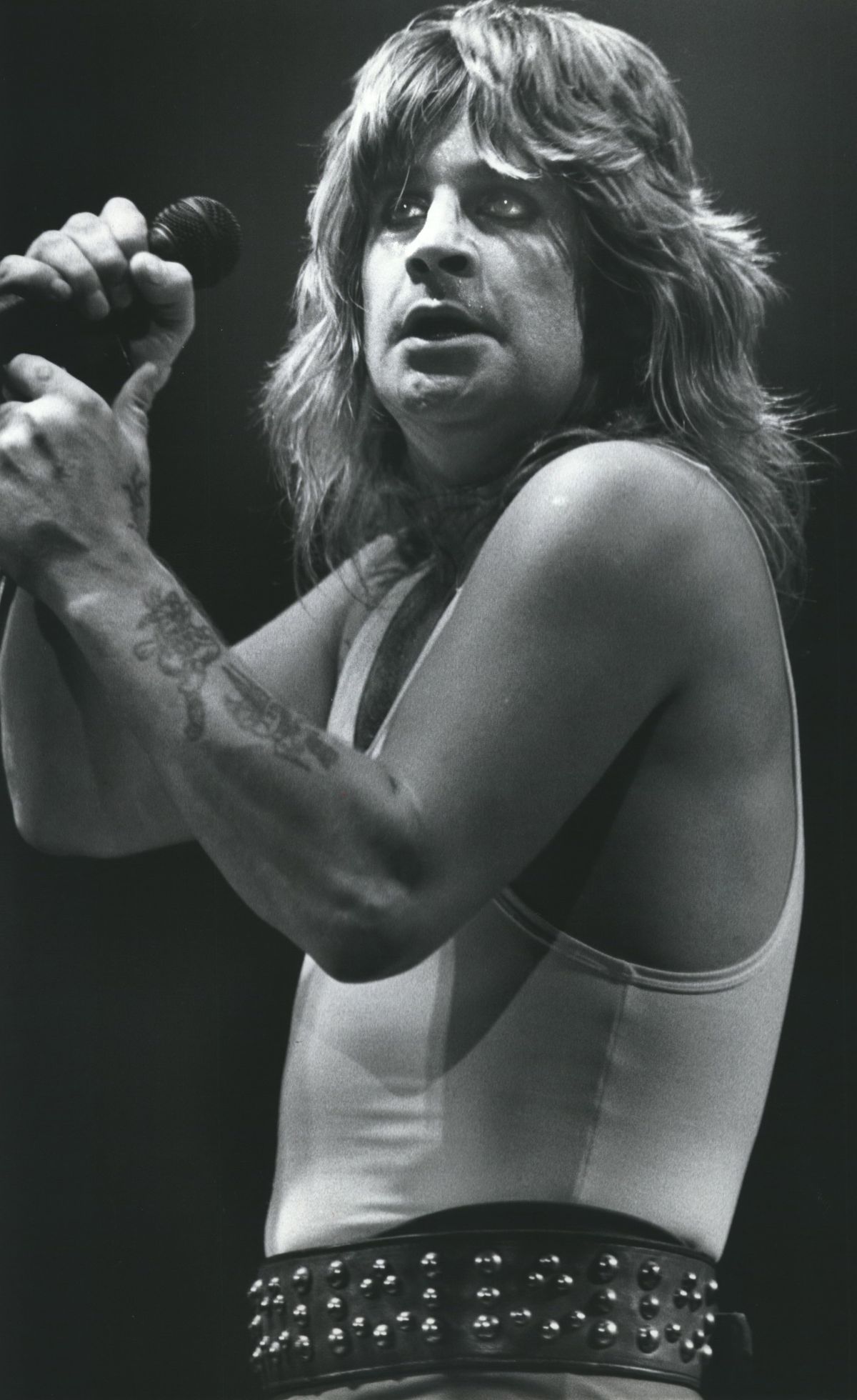
The year was 1972. Black Sabbath was early in its career, comprising a band of young blue-collar men from the United Kingdom. But this wasn’t any kind of Beatles repeat of teenage groupies smitten for a man in a bowl cut. The craze surrounding Black Sabbath came alongside its pioneering role within the newest rock genre of the time: metal.
Original frontman Ozzy Osbourne, known for memorable stunts, such as biting off the head of a bat at a 1982 concert, died Tuesday, his family shared. He was 76.
Osbourne’s outlandish stunts performing onstage with Black Sabbath in the 1970s and eventually as a solo artist in the ’80s were infamous, and to some, dangerous.
The band’s reputation preceded itself on multiple occasions at venues across the United States, including here, in the Lilac City.
In 1972, the group appearing on the Spokane Coliseum’s calendar didn’t go unnoticed by local lawmakers.
City Councilwoman Margaret Leonard, a Republican, had strong opinions about the band’s projected appearance within the coming week, The Spokesman-Review reported on March 7 of that year.
Like many residents, Leonard took issue with the content of Black Sabbath’s music.
While “holding a record album made by the group” she said she was concerned about one song, “Sweet Leaf,” which she said praised marijuana.
Councilman Del Jones pushed back, The S-R reported. He said the Coliseum-Stadium Advisory Committee approved the band’s concerts, along with other bands of the time, including Chicago and Creedence Clearwater.
Because the committee had already approved of the concerts, that arrangements, including ticket sales were already processed, it wouldn’t be something the committee could correct, Jack Winton, city councilman, said.
Jones pointed out that the City Council would be on “very thin ice if we start singling out Black Sabbath from the other groups that perform in a public building.” Jones also didn’t approve of the band’s tunes, which lauded drug use.
Black Sabbath would go on to play the March 14 show at the Coliseum without issues.
The band volunteered not to play “Sweet Leaf.” And while the tune was reserved for another venue, the group did perform “Snowblind,” which highlights cocaine addiction.
When Osbourne returned to Spokane in 1982 during the height of the “Satanic Panic,” residents and local leaders, again, were concerned.
His scheduled appearance at the Coliseum that June drew the attention of activists and government leaders. City officials received multiple calls from parents “convinced that a bloodbath was to be loosed on their children.” One concerned resident wrote a letter addressed to the Spokane Daily Chronicle implying Osbourne planned to sacrifice a live goat on stage.
The worries weren’t without merit. Just months prior, the singer bit the head off of a bat during a show in Des Moines. In 1981 he chewed off the heads of two dead doves during a marketing meeting with CBS Records executives.
“I wanted to make a real impression,” Osbourne said to Sounds magazine three months after the incident. “We were planning to release it there, but it died beforehand. So rather than waste it I bit its head off. You should have seen their faces. They all went white. They were speechless. That girl in the pictures was screaming. Eventually a bloke came up and said, ‘You’d better go.’ ”
Kevin Twohig, the assistant city entertainment facilities director at the time, received several angry letters warning of the musician’s behavior prior to the concert. That wasn’t an unheard of occurrence with concerts during that era, he said.
“Spokane wasn’t the most accommodating community forever,” he said. “There was a time when people who played the Coliseum were looked at with a different lens than just entertainment acts.”
His impression of Osbourne was milder, describing him as a “nice enough human being” who was very kind to his wife after she brought him tea backstage.
To the relief of many, his June 16 concert that year was spared from satanic sacrifices.
Despite the controversy, more than 5,000 people coughed up the $9.50 ticket price to rock with the “Blizzard of Oz,” who performed his hits on a Gothic castle set amid flames and fireworks in protective kneepads, which Chronicle reporter Kim Crompton noted his “lack of energy on stage made them unnecessary.”
“Most of the people I talked to, considering all the bad press, were pretty impressed,” Twohig said in 1982. “It certainly was not satanic, demonic or bestial in any way.”
Osbourne returned to Spokane in 1984 for his “Bark at the Moon” tour and in 1986 for a much tamer performance than those of prior years.
“In short, Osbourne’s concert was pretty ho-hum,” wrote staff writer Clay Hutto. “The usually exotically attired denizens of heavy metaldom were present. So was the acrid scent of those ‘other’ cigarettes. But for the most part, the Osbourne concert was pretty routine.”
Although the singer’s eccentric behavior gave him a maniacal reputation, it wasn’t unique for a rock star at the time to do crazy stunts, said Mike House, owner of Resurrection Records.
“I don’t think he was any worse than anyone else that I can think of,” House said. “People were given more of a pass to be crazy back then.”
He has attended three Black Sabbath concerts and credits the band for developing the heavy metal genre. A major part of its allure was Ozzy’s distinctive raspy vocals, he said.
“His endurance on stage and his enthusiasm for being a front man and his energy up there, there’s just nothing like it,” House said. “I wouldn’t trust someone who doesn’t like Black Sabbath.”